
REVIEW · BAVARO COAST EXPERIENCES
Open Water Diver – Bávaro
Learning the basics underwater starts with a plan. This 3-day open-water certification course in Punta Cana’s Bávaro area runs under a PADI or SSI pathway, and I like the max 8 students limit for closer attention.
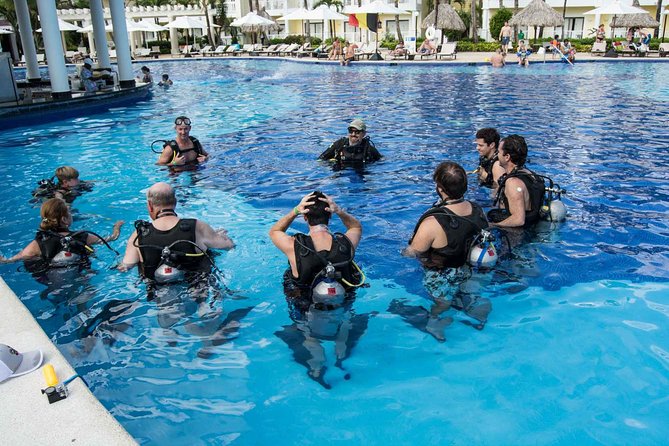
I also like the progression: 5 pool sessions build muscle memory before open-water skills in the sea, and the training follows a clear 18 meter depth limit.
One possible drawback to weigh is weather and sea conditions. One participant described getting very sea sick right after boarding, and their whole day went sideways.
Key things to know before you choose this course
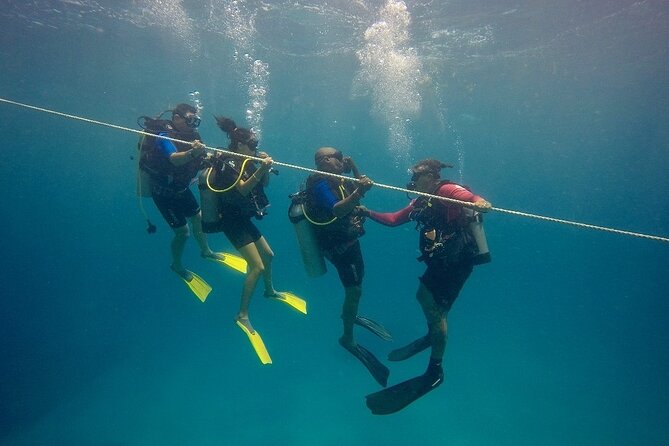
- PADI or SSI options for an international certification with a max training depth of 18 meters
- A structured ladder of practice: 5 online theory chapters, 5 pool sessions, then 4 open-water sea sessions
- Small group size (max 8), which usually means more instructor time per person
- Instructor standouts show up in real feedback, including Pedro Marin and Alejandro (Scubaquatic)
- Boat comfort can be a wildcard, so if you get motion sick, plan ahead
Stay close to Bávaro beach and its morning departures
- Luxe Black Car Transfer – Cap Cana, Bavaro & Punta Cana Airport★ 4.5 · 525 reviews
- Private Transfer between Punta Cana Airport and Bavaro★ 4.5 · 498 reviews
- Private Transfer from Punta Cana Airport to Bavaro★ 4.5 · 373 reviews
- From and to Punta Cana airport(PUJ)<=>All places and hotels in Bávaro Punta Cana★ 5.0 · 313 reviews
What you’re really buying in Bávaro: PADI or SSI at 18 meters
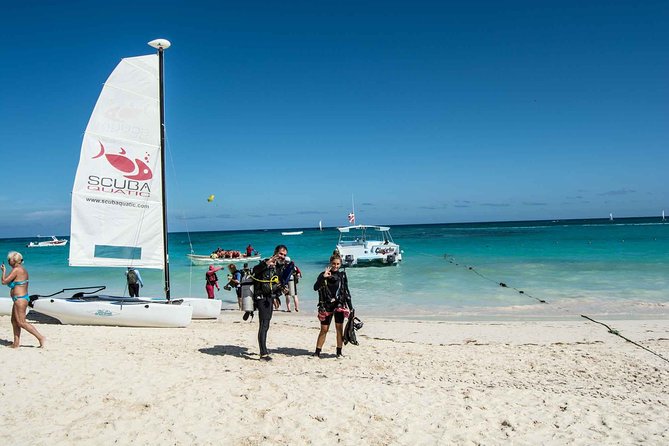
This is a beginner-friendly open-water certification course designed for people who want an internationally recognized credential and a clear training ceiling. You’re looking at certification to 18 meters maximum for the course track, with the end goal being a PADI or SSI open-water certification that lasts for life.
What I like about this setup is that it reduces the “mystery factor.” Some programs sell you a marketing promise and hope you figure out the rest. Here, the framework is spelled out: theory chapters first, then skill practice in a pool, then open-water sessions in the sea, under the same overall certification structure.
The name SeaKlub shows up as the experience provider, and the course is offered in Punta Cana. Price is $460 per person for roughly 3 days, plus features like pickup offered and a mobile ticket.
The 3-day rhythm: theory online first, then skills in the water
The course includes 5 online theory chapters plus 5 pool sessions and 4 open-water sea sessions. Even without a minute-by-minute schedule, you can predict how your time gets used: classroom work that you can knock out via the course portal, then repeated practice where you learn how the skills feel in controlled conditions before you try them with natural water movement.
For me, the value is in the sequence. You’ll usually retain skills better when you do not jump straight into open water. Pool sessions let you repeat basic tasks until they stop feeling like a checklist and start feeling like automatic steps.
Your best move: don’t leave the online work to the last day
Because the theory is online, it is easy to treat it like optional homework. If you want a smooth course day, I’d plan to get the online chapters done early, or at least stay ahead so your pool and open-water time is spent practicing, not catching up.
Also, if you are a first-timer, you’ll want a calm brain for theory review. Hard studying on a travel day or after a long transfer can turn into stress. That stress tends to show up later as slower learning in the pool.
Pool training in Punta Cana: why those 5 sessions matter
The pool portion is five sessions, and that is exactly the part that helps new students build confidence. Pool conditions are predictable. You can focus on breathing, buoyancy, hand signals, and the order of actions without waves adding chaos.
One of the better pieces of feedback shared by a participant centered on extra comfort-building with instructor support. Alejandro, associated with Scubaquatic, was praised for letting a student get in the pool with a tank to practice before the practical part. That kind of pacing is a big deal for beginners, because it shortens the gap between learning something and feeling comfortable doing it.
If you get anxious around gear, water in your face, or the sound and feel of breathing equipment, those extra pre-practical moments are often what decide whether the course feels fun or frightening.




What to watch for
Pool sessions can also expose what you need to improve. If you struggle with any basic skill, it’s better to discover that in the pool rather than during the open-water portion. So if you feel like a skill is not clicking, speak up early and ask for feedback right away.
Open-water sea sessions: four practical days under an 18-meter ceiling
After the pool work, the course moves into 4 open-water sea sessions, with the training aligned to a maximum depth of 18 meters. This is where you apply the skills you rehearsed, and it’s also where things like current, water temperature, and wave action can make even a simple task feel different.
In positive feedback, Pedro Marin was specifically mentioned for helping someone complete the program quickly, even with short notice, and for running four great open-water sessions. That lines up with what you want from an instructor at this stage: clear communication and competent guidance when conditions are less predictable than the pool.
The realistic expectation
Open water is not the pool. Even when everything goes well, you should expect a learning curve. Your comfort level often depends on how calm you can stay while tasks are happening and the water is moving.
So I suggest you approach these sessions like practice, not a performance. The goal is to learn and demonstrate skills safely within the course limits, not to rush through them to get it over with.
Boat time in Punta Cana: when sea conditions affect everything
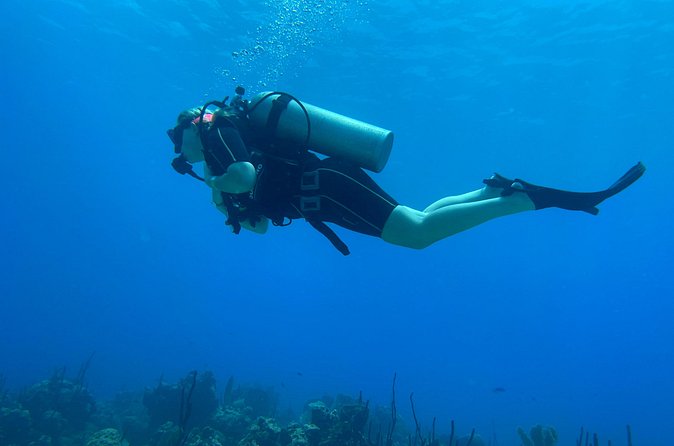
At least one account points to a boat ride being part of the experience, and it also points to the downside: motion sickness can hit fast. One participant reported feeling extremely ill as soon as they got on the boat, and the day was mostly lost to nausea.
I’m not going to sugarcoat it. If you are prone to motion sickness, you should treat this as a serious consideration, not a minor inconvenience. Even if you feel fine today, sea conditions can change.
Practical approach if you get motion sick
- Talk to a clinician before your trip about options that work for you.
- Plan to have your stomach settled before boarding.
- Bring your own comfort items if you use them at home, like nausea bands or medication that your doctor says is safe for you.
If you do not handle boats well, this course is still possible, but your experience quality will likely depend on how you manage that comfort piece.
Instructors and teaching style: Pedro Marin and Alejandro get real mentions
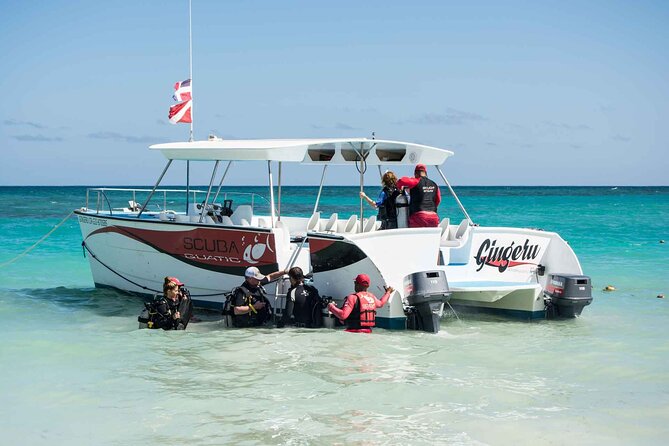
The biggest praise in the provided feedback centers on instruction quality and pacing.
Pedro Marin received high marks for help with theory and for making the learning process feel clear. One positive note also highlighted how Pedro supported completion in about 2.5 days on short notice. That kind of timeline flexibility usually means the team is willing to work with students instead of rigidly dragging things out.
Alejandro, from Scubaquatic, was praised for giving a student extra time in the pool with a tank before the practical. That matters because beginners often need a little extra time to get comfortable with how the equipment and buoyancy feel.
Why this matters to you
A beginner course is only as good as the feedback you get when you’re learning. Small groups help, but teaching style decides whether you get stuck or progress. If you are even slightly nervous about the course, look for the signs of structured coaching: clear explanations, corrections you can actually use, and patience when you need repetition.
Price and value: is $460 a fair deal in Bávaro?
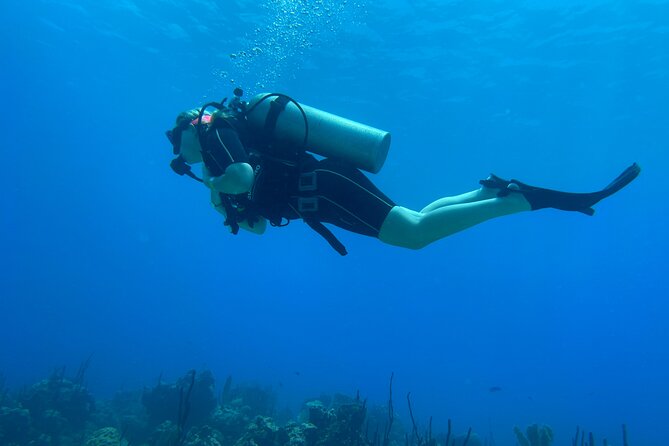
Let’s talk value without hand-waving. You are paying $460 per person for a multi-part certification track that includes:
- 5 online theory chapters
- 5 pool sessions
- 4 open-water sea sessions
- International PADI or SSI certification framework
- Pickup offered (where available)
- Max 18 meters training depth
That’s a lot of instructor time and structured practice, not just a single outing. In other words, the cost is not only for the sea day. It’s for the full training cycle.
Where value can become complicated is outside the course promise, like how quickly you can complete the training based on scheduling and weather. The good news is the course is designed for a rough 3 days timeline. The less-good news is weather and sea conditions can affect flow, and one negative account also raised concerns about trust and money handling.
A smart way to protect your investment
Before you commit fully, ask for clear written details on what is included in the price and confirm the totals. If anything about scheduling feels vague, request clarity. This kind of caution matters more for shorter courses where you do not have many days to recover from a problem.
Who should book this course, and who should pause first
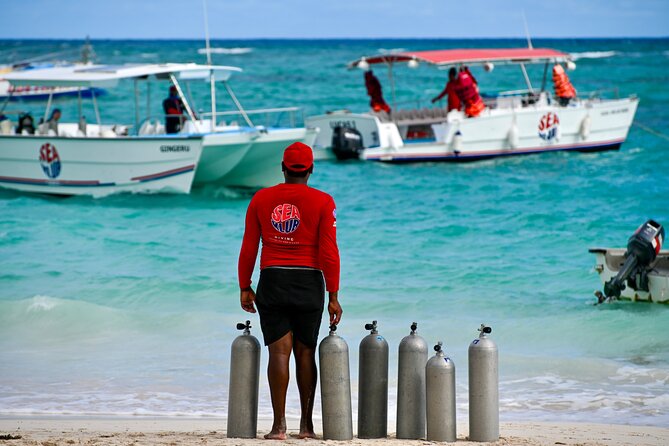
This program is best for:
- Beginners who want PADI or SSI open-water certification
- People who like a structured ladder: theory, pool practice, then open water
- Travelers who prefer smaller groups, since the cap is max 8
- Anyone who appreciates hands-on coaching, especially based on the strong mentions of Pedro Marin and Alejandro
You might want to think twice if:
- You know you get very motion sick on boats
- You need extra flexibility due to tight schedules, since the training depends on weather and sea conditions
- You are someone who expects everything to feel highly organized minute-to-minute, because there is at least one very negative report calling out chaos and money issues
A quick note on that last point: one bad story does not automatically mean the whole course is broken. But it does mean you should do due diligence. Choose operators and instructors carefully, and do not assume the process will be smooth just because it sounds official.
Practical tips to make your course days easier
You can’t control weather, but you can control your preparation.
Before you go
- If you have anxiety about water or gear, do not hide it. Tell your instructor early so they can adjust how they explain and demonstrate.
- Finish the online theory work early if you can, so you start the first pool day focused on skill practice.
On course days
- Take notes, even simple ones. If an instructor explains a technique tweak, write it down so you can remember it during repetition.
- Ask for feedback immediately if you feel off. Beginners often wait too long because they feel awkward. Short questions now save confusion later.
For comfort
Since boat time is part of the experience, bring your own comfort plan if you need one. The best time to plan for motion sickness is before you board, not after you feel sick.
Should you book the Open-Water certification course in Bávaro?
If your goal is open-water certification, this course is a solid fit on paper. The structure is clear, the group size is small, and the training path includes both pool preparation and open-water sessions, capped at 18 meters. Add in positive mentions of instructors like Pedro Marin for theory support and efficient progress, and Alejandro (Scubaquatic) for helpful pool practice, and you can see why many people would feel it was worth the money.
But I’d book with eyes open. The presence of at least one serious complaint about organization and money handling is a reminder to confirm what you are paying for and how scheduling works. And if you get sea sick easily, plan for that boat reality, because one participant’s experience suggests it can derail the day.
My practical recommendation: if you communicate early, confirm inclusions, and prepare for boat time, you’re set up for a course that is more about learning skills than surviving logistics.
FAQ
Where does this open-water certification course take place?
It takes place in Punta Cana, Dominican Republic, in the Bávaro area. The experience provider is SeaKlub.
How long is the course, and when does it start?
It’s approximately 3 days, and the start time is 9:00 am.
What certification can I earn?
You can earn an international open-water certification through either PADI or SSI. The course is for a maximum depth of 18 meters, and the certification is described as valid for life.
What parts are included in the training?
The course includes 5 online theory chapters, 5 pool sessions, and 4 open-water sea dives/sessions (the total open-water practical portion is 4).
Is pickup included, and do I get a ticket?
Pickup is offered, and you receive a mobile ticket.
What if weather is poor or I need to cancel?
The experience requires good weather. If it is canceled due to poor weather, you are offered a different date or a full refund. Cancellation is free up to 24 hours in advance for a full refund.
More Tour Reviews in Punta Cana
- Private Airport Punta Cana to La Romana Bayahibe or Casa de Campo Resort Area
★ 5.0 · 6,662 reviews - Punta Cana Zipline Adventure with Buggies and Horseback Riding
★ 5.0 · 5,001 reviews - Full-Day Santo Domingo City Tour from Punta Cana
★ 4.5 · 4,500 reviews - Punta Cana: Catamaran Boat to Saona Island with Buffet Lunch
★ 4.4 · 3,822 reviews - Punta Cana Dune Buggy Adventure and Amazing Water Cave
★ 4.5 · 3,411 reviews
Along the Bávaro Shore
- Luxe Black Car Transfer – Cap Cana, Bavaro & Punta Cana Airport
★ 4.5 · 525 reviews - Private Transfer between Punta Cana Airport and Bavaro
★ 4.5 · 498 reviews - Private transfer from Bávaro Hotels to Punta Cana Airport
★ 5.0 · 388 reviews - Private Transfer from Punta Cana Airport to Bavaro
★ 4.5 · 373 reviews - From and to Punta Cana airport(PUJ)<=>All places and hotels in Bávaro Punta Cana
★ 5.0 · 313 reviews
Keep the Caribbean days coming



Bavaro Coast Experiences, side by side.
 ★ 4.5Luxe Black Car Transfer – Cap Cana, Bavaro & Punta Cana AirportFrom $39525 reviews
 ★ 4.5Private Transfer between Punta Cana Airport and BavaroFrom $33498 reviews
 ★ 4.5Private Transfer from Punta Cana Airport to or from Punta Cana and Bavaro HotelsFrom $35464 reviews
 ★ 5.0Private transfer from Bávaro Hotels to Punta Cana AirportFrom $80388 reviews
 ★ 4.5Private Transfer from Punta Cana Airport to BavaroFrom $12373 reviews
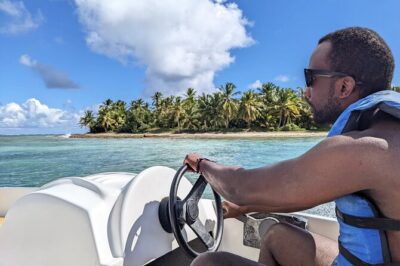 ★ 5.0Speed Boat and Snorkeling in Punta Cana BavaroFrom $70337 reviews
 ★ 5.0From and to Punta Cana airport(PUJ)<=>All places and hotels in Bávaro Punta CanaFrom $33313 reviews
 ★ 5.0Private Round Trip Airport Transfer Bavaro HotelsFrom $53242 reviews
Other lists for this tour