
REVIEW · SCUBA DIVING
3 Days Open Water Diving Course in Punta Cana
Scuba training starts before you hit the sea. This 3-day PADI open-water course in Punta Cana mixes online theory with hands-on pool skill practice, then steps into the ocean with instructor support so you can feel calm, not rushed. I love that the team gives personalized attention, and I love that the water time includes both reef scenery and a shipwreck option like the Monica wreck.
The main consideration is practical: you’ll need a completed medical questionnaire and a moderate fitness level, and the whole plan depends on good weather for the schedule to run smoothly.
Key Highlights You Should Actually Care About
- Small group size (max 8), which makes it easier to get feedback when you’re learning control and safety habits
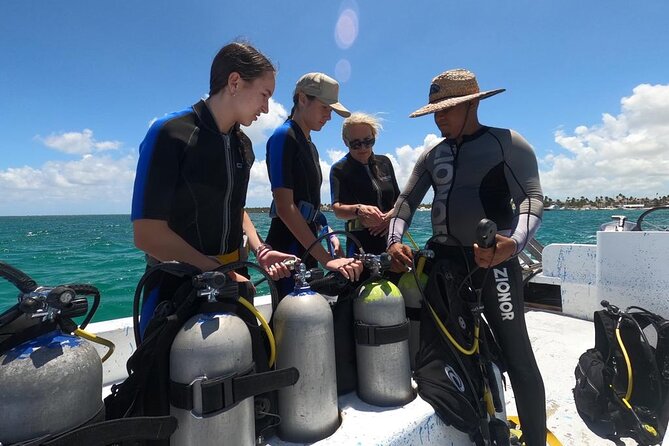
- PADI-led teaching with a focus on equipment use, safety procedures, and underwater fundamentals
- Online theory plus pool practice, so you arrive to the open water feeling more prepared
- 4 open-water sessions with a max depth of 18 meters / 60 feet
- Reef + shipwreck mix, including the Monica wreck, for variety in what you see
- Pickup offered and a mobile ticket to make the start of your day simpler
A few more Punta Cana experiences for the open days
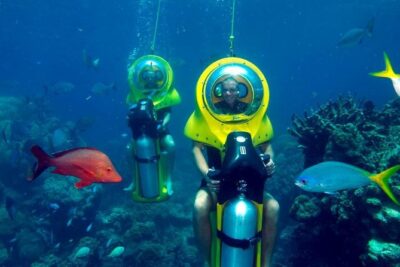
- Scuba Doo Diving Experience in Punta Cana★ 4.0 · 422 reviews
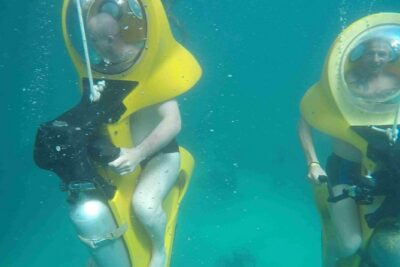
- Scuba Doo – Diving Scooters in Punta Cana★ 4.2 · 283 reviews
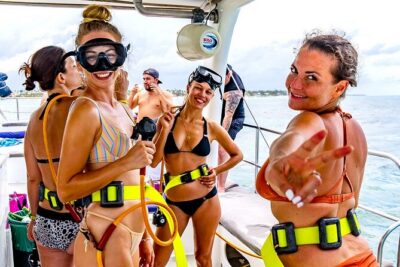
- 3 ADVENTURES: Sailing Catamaran Cruise – Hooka Diving – Snorkeling★ 5.0 · 162 reviews
- PACKAGE DEAL Catamaran- Snorkeling – Hooka Diving – Parasailing★ 4.5 · 103 reviews
Punta Cana Open-Water Course, Explained Without the Hype
This is a 3-day PADI open-water course set in Punta Cana, aimed at getting you from first-time readiness to confident underwater skills within the course limits. You work through a structured format: online theory, confined water sessions in a pool, and then four open-water underwater outings with instructors.
What makes this course especially workable is the pacing. You do the thinking work first, then you rehearse the basics where conditions are controlled. Only after that do you step into the more dynamic open water environment. For many people, that order is what turns a scary-sounding activity into something you can actually manage.
Also, Punta Cana is a good setting for first certification work because you’re not guessing where you’ll go or what you’ll see. You get reef scenery and the chance to experience a shipwreck site like the Monica wreck, so your training doesn’t feel like it’s happening in a vacuum.
18 Meters Maximum, What That Means for Your Comfort
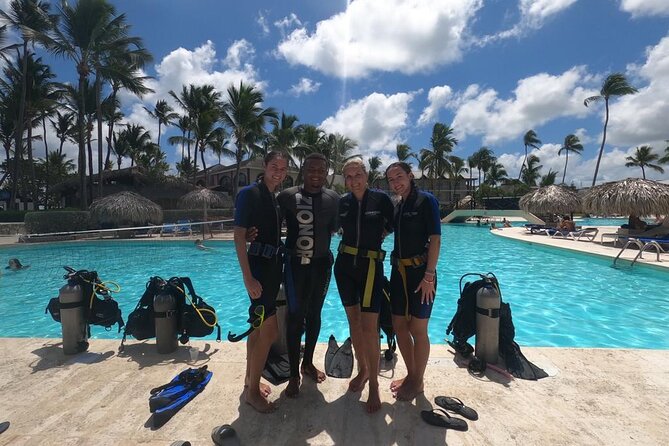
The course is designed around a maximum depth of 18 meters, or 60 feet. That matters because your learning goals are matched to a depth range where the training process stays focused on fundamentals and safety rather than pushing limits.
If you’re the type who gets anxious about depth, that number is comforting. If you’re the type who wants to go as far down as possible, this still gives you a real-world taste of open water pressure changes, proper buoyancy habits, and how procedures feel when you’re actually underwater. The trick is to treat the course for what it is: a certification pathway, not an advanced sightseeing tour.
Online Theory: Learning the Rules Before You Break Them
You’ll do the course theory online before or during the start of your training period. The topics are practical: dive physics, equipment usage, and safety procedures. Even if you’re brand new, I like that you’re not thrown straight into the water with only instructions spoken aloud. You have time to absorb the why behind the how.
For you, that means less guesswork and fewer moments of panic. If you understand what’s happening with breathing and pressure, and you can name what each piece of gear does, you’re more likely to relax when conditions change.
One other important point: there’s a medical questionnaire requirement. This isn’t just paperwork for paperwork’s sake. It’s part of the safety process to make sure scuba training is appropriate for you. If you have any health concerns, handle the questionnaire carefully and be honest, so the team can guide you safely.
Pool Skill Practice: Where You Build Muscle Memory
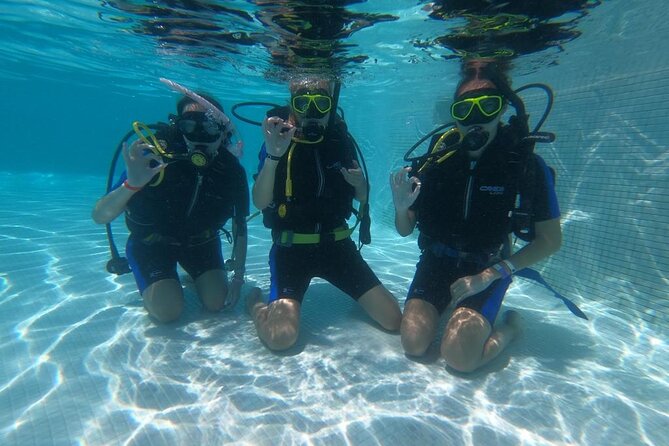
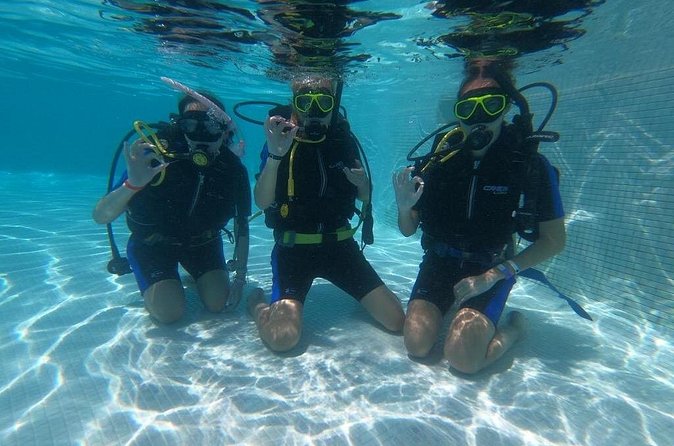
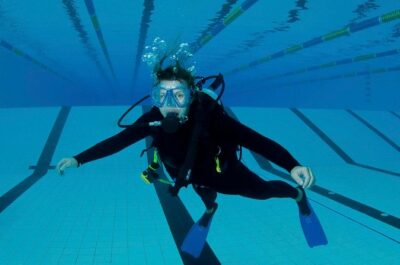
Before you head to open water, you’ll spend time in confined water, specifically described as pool sessions. This is where you refine essential skills under instructor guidance. The value here is huge: you can get feedback, repeat movements, and correct habits without dealing with surf, currents, or the larger open-water variables.
In my experience, pool time is where you learn the difference between knowing what to do and actually doing it while breathing through a regulator. Even when you think you understand the steps on land, the water adds a layer of physical rhythm and balance.
This course keeps that learning stage structured. You get practice time, not just a quick look-and-go. And since the group size is capped at 8, you’re more likely to get the kind of feedback that helps you improve fast instead of waiting your turn.



Four Open-Water Sessions: Reef Scenery and the Monica Wreck
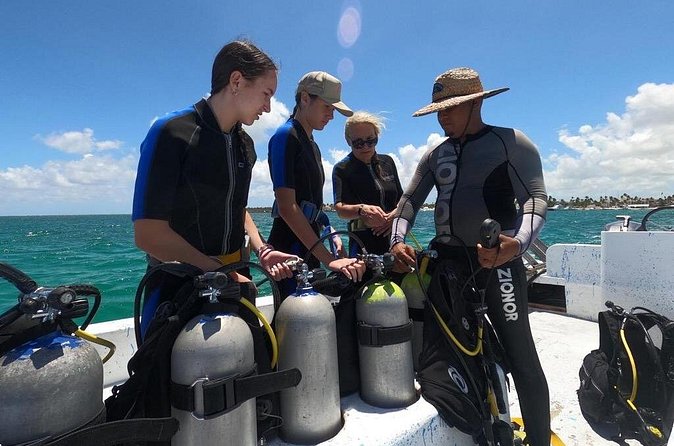
After the theory and pool practice, you move into the open water with four open-water underwater sessions. The course is built around real underwater environments in Punta Cana, including coral reefs with tropical fish and fascinating marine life.
What I find genuinely motivating for a new student is the variety. The reef experience gives you the “life on the walls” view, while the shipwreck option adds a different kind of underwater interest. One of the sites mentioned is the Monica wreck. A wreck changes your underwater perspective, because you’re not only looking at reef growth and fish, you’re also learning to navigate around manmade structure safely.
Even with the romance of wrecks and reefs, the course goal stays practical. Expect instructor guidance and an emphasis on safety procedures you learned earlier. The max depth cap also helps keep these sessions aligned with the training objectives.
One consideration to keep in mind is that open-water work depends on weather. If conditions are rough, the schedule can shift or be adjusted. That’s normal for Punta Cana, and it’s the kind of thing that matters because your first certification experience should focus on learning, not fighting bad conditions.
Instructor Support in Real Life: Kelvin, Franklin, Gilberto, and George
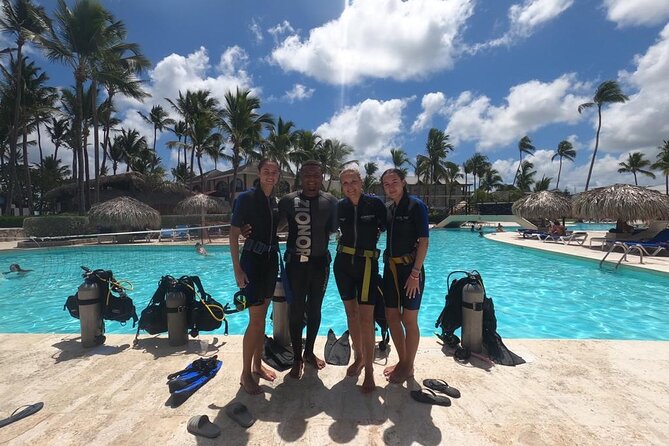
The instructors are a big reason people feel comfortable doing this course. Several names come up: Kelvin as an instructor, and Franklin as a manager. Other instructors and educators mentioned include Gilberto and George.
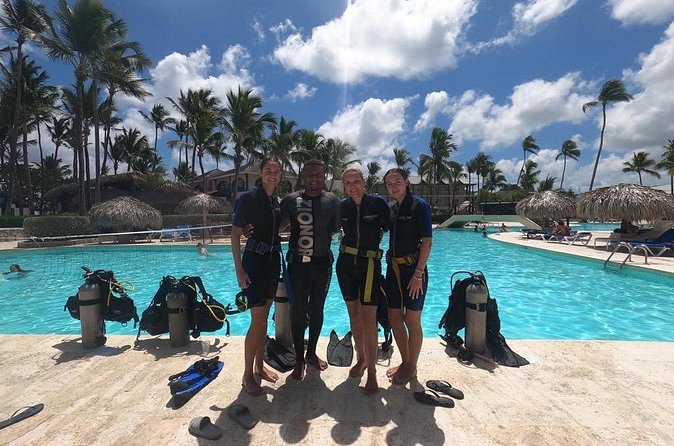
What stands out from the feedback pattern is the teaching style. People describe the coaching as thorough, supportive, and easy to follow, with instructors making sure they understand the material and feel at ease before moving on. That matters for you because nervous students often need reassurance plus clear step-by-step direction, not just general encouragement.
Small-group training also helps the teaching style work. When there are fewer students, it’s easier for the team to notice what you need before you get stuck. That can make a difference between feeling like you’re struggling alone and feeling like you’re progressing with guidance.
Pickup, Meeting Times, and How to Plan Your Day
Pickup is offered, and that’s a practical win. In Punta Cana, travel time can add up fast. Having pickup means less hassle on a day when you’ll also be handling equipment checks, paperwork, and timing for pool sessions.
The operation hours are Monday through Saturday, 8:30 AM to 5:00 PM, within the available date window shown for the experience. You don’t want to show up late and then have your first training block compressed, especially when the first day involves theory and skill review.
Also, you’ll receive a mobile ticket, and the meeting area is noted as near public transportation. That’s helpful if you’d rather not rely only on pickup, or if you’re staying somewhere where getting to the start point is easier on your own.
Physical planning tip: treat your day like a training day, not a sightseeing day. You’ll likely be tired after pool practice and gear handling, and you want a clear head for any instruction and safety briefings.
Value Check: What $490 Buys You (and What to Confirm)
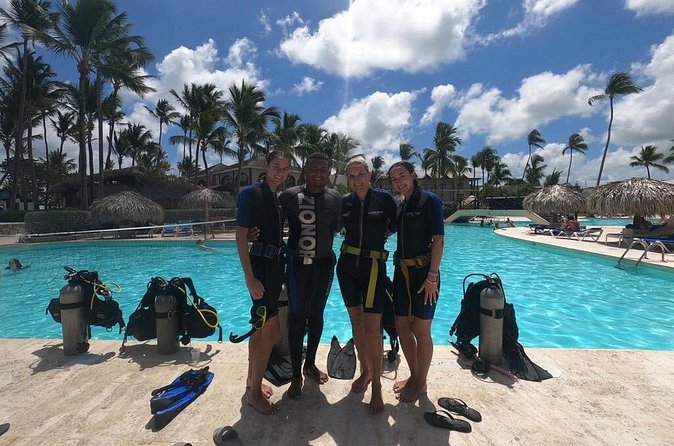
At $490 per person, this course can be good value if you compare it to the full structure: online theory, pool practice, and four open-water underwater sessions with PADI instruction, plus pickup offered.
The strongest value factors are:
- Complete course format, not just a single-lesson taster
- Four open-water sessions, which is the heart of getting real competence
- Small group size, which often correlates with better attention
- Professional instruction, with a teaching approach that several learners highlight as patient and thorough
That said, I’d still recommend doing two quick checks when you book, because the listing details provided don’t spell these out:
- Confirm what’s included for gear and any related fees
- Confirm how weather changes are handled in practice for your specific dates
If you’re brand new to scuba, the total value often comes from not having to scramble later for separate lessons or extra training sessions.
Who This Course Is Best For
This course fits well if you:
- Want a structured certification pathway with online theory and pool work
- Appreciate guided support rather than trial-and-error learning
- Prefer a small group environment, max 8
- Like the idea of seeing both reef scenery and a wreck site like the Monica wreck
It may be less ideal if you:
- Have medical concerns and aren’t comfortable completing the questionnaire
- Are looking for a long, casual adventure with no training focus
- Struggle with the idea that weather can affect timing, since good weather is required
Moderate physical fitness is listed as a requirement for travelers. That usually means you should be comfortable with basic mobility and breathing effort in water, even though you’re learning and not performing for a challenge.
Should You Book This Punta Cana Open-Water Course?
I’d book it if you want a real PADI training setup, not just a boat ride. The combination of online theory, pool skill practice, and instructor-led open-water sessions is the core formula for learning safely and feeling confident. The reef and shipwreck mix, including the Monica wreck, also makes the experience feel like more than just a checklist.
I wouldn’t book it if you’re hoping for a flexible, no-conditions itinerary. Weather matters here, and that’s true for open water work anywhere in Punta Cana. If you can handle the training rhythm and plan around conditions, this course is a strong choice.
If you do book, do one smart thing before you go: complete the medical questionnaire honestly and take the theory seriously. It will make your pool work smoother and your open-water sessions more relaxed from the start.
FAQ
Where is the 3-day open-water course located?
It’s in Punta Cana, Dominican Republic.
How much does the course cost?
The price is $490.00 per person.
How long is the experience?
It lasts 3 days, approximately.
What does the course include?
It includes online dive theory, confined water sessions in a swimming pool, and 4 open-water sessions.
What is the maximum depth you’ll train for in this course?
The course allows training down to a maximum of 18 meters / 60 feet.
Is pickup offered?
Yes, pickup is offered.
Do you need to complete a medical questionnaire?
Yes, a medical questionnaire applies to help ensure a safe diving experience.
What is the maximum group size?
The experience has a maximum of 8 travelers.
Are there weather requirements?
Yes. The experience requires good weather, and if it’s canceled due to poor weather you’ll be offered a different date or a full refund.
What is the cancellation policy for a full refund?
You can cancel for a full refund up to 24 hours in advance of the experience’s start time.
FAQ
Is there a maximum depth limit beyond the 18 meters / 60 feet?
The information provided states a maximum of 18 meters / 60 feet for the course.
What are the operating hours?
The listed hours are Monday to Saturday from 8:30 AM to 5:00 PM.
When will I receive confirmation after booking?
Confirmation will be received at the time of booking.
What if the minimum number of travelers isn’t met?
If it’s canceled because the minimum isn’t met, you’ll be offered a different date or a full refund.
More Scuba Diving in Punta Cana
- Scuba Doo Diving Experience in Punta Cana
★ 4.0 · 422 reviews - Scuba Doo – Diving Scooters in Punta Cana
★ 4.2 · 283 reviews - 3 ADVENTURES: Sailing Catamaran Cruise – Hooka Diving – Snorkeling
★ 5.0 · 162 reviews - PACKAGE DEAL Catamaran- Snorkeling – Hooka Diving – Parasailing
★ 4.5 · 103 reviews - Scuba Doo Underwater Scooter in Punta Cana (Half Day)
★ 4.0 · 84 reviews
More Tour Reviews in Punta Cana
- Private Airport Punta Cana to La Romana Bayahibe or Casa de Campo Resort Area
★ 5.0 · 6,662 reviews - Punta Cana Zipline Adventure with Buggies and Horseback Riding
★ 5.0 · 5,001 reviews - Full-Day Santo Domingo City Tour from Punta Cana
★ 4.5 · 4,500 reviews - Punta Cana: Catamaran Boat to Saona Island with Buffet Lunch
★ 4.4 · 3,822 reviews - Punta Cana Dune Buggy Adventure and Amazing Water Cave
★ 4.5 · 3,411 reviews
Keep the Caribbean days coming

Scuba Diving, side by side.
 ★ 4.0Scuba Doo Diving Experience in Punta CanaFrom $61422 reviews
 ★ 4.2Scuba Doo – Diving Scooters in Punta CanaFrom $55283 reviews
 ★ 5.03 ADVENTURES: Sailing Catamaran Cruise – Hooka Diving – SnorkelingFrom $105162 reviews
 ★ 4.5First Time Scuba Diving Experience in Punta CanaFrom $199148 reviews
 ★ 4.5PACKAGE DEAL Catamaran- Snorkeling – Hooka Diving – ParasailingFrom $140103 reviews
 ★ 4.0Scuba Doo Underwater Scooter in Punta Cana (Half Day)From $7584 reviews
 ★ 4.1Scubadoo Ocean Exploration Diving AdventureFrom $7670 reviews
 ★ 5.0PADI Open Water Scuba Certification (2–3 Days)From $64950 reviews
Other lists for this tour