
REVIEW · WORKSHOPS
‘Chillo al Coco’ Cooking Class & Taino Concept store
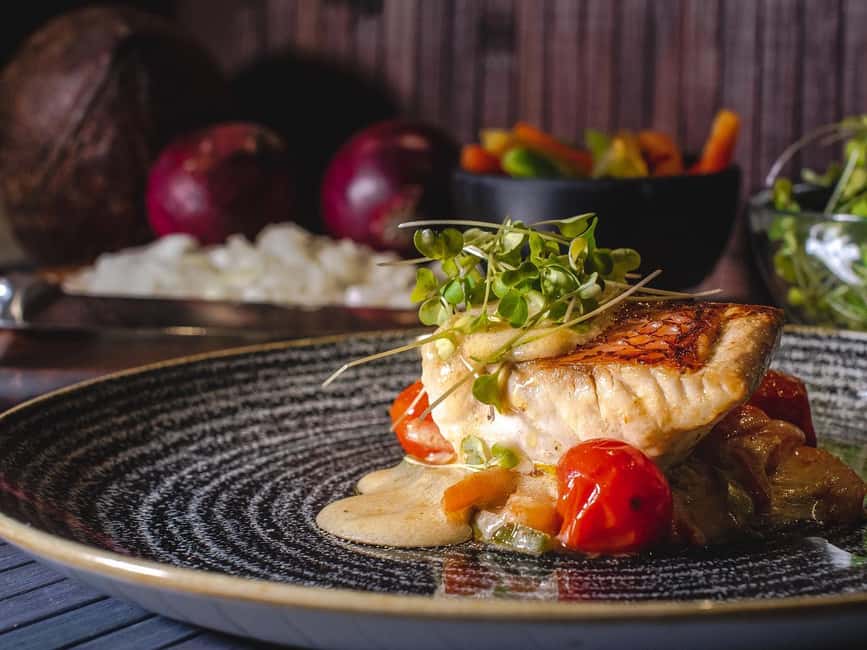
A red snapper and coconut sauce course is a straight shot to the Caribbean. This Chillo al Coco cooking class in La Altagracia pairs a hands-on meal with lessons in traditional Taino cooking techniques, using fresh local ingredients you can actually recognize and smell.
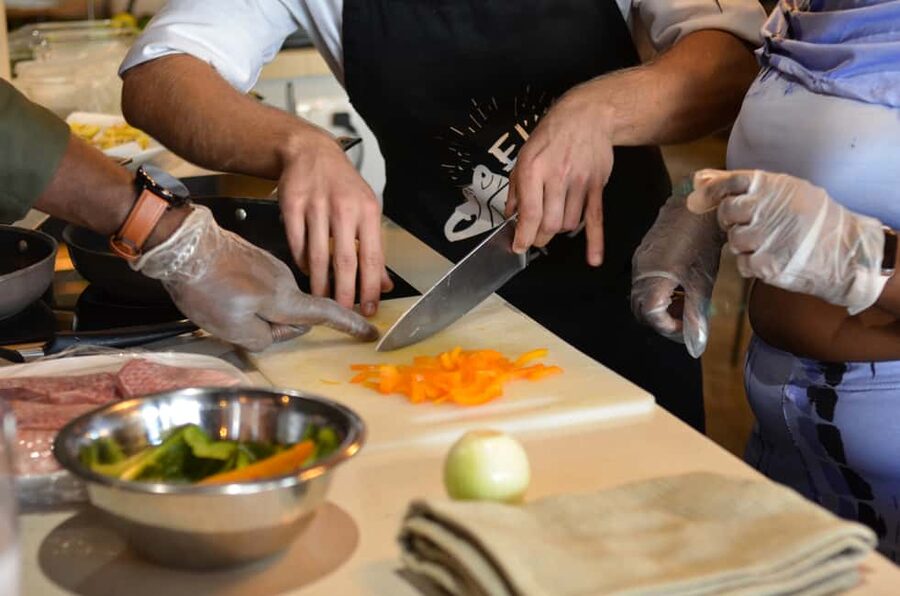
I especially like the small-group feel, limited to 10 participants, because it keeps things practical and lets you ask questions while you cook. I also love the step-by-step structure, from cleaning and seasoning the red snapper to extracting coconut milk for a smooth sauce. In many bookings, instructors such as Randy, Ruth, and Roody are the ones guiding the kitchen vibe, with patience and humor when you slow down or get curious.
One thing to consider: the timing can be a little flexible. There’s been at least one case where the class ran about two hours longer than scheduled, including a shop stop en route, and another where a power outage paused things and forced a reset.
Key things that make this class worth your day
- Taino-style cooking basics taught through the dish you’ll actually eat
- Fresh coconut milk made from freshly grated coconut for the creamy sauce
- Red snapper chillo al coco, cooked with peppers, onions, garlic, and herbs
- A real Dominican plate with cassava, plantain, and rice, not just a single course
- Small group of up to 10, so you are not standing on the sidelines
- Pickup included for Bavaro and Punta Cana, with clear boundaries for other zones
A few more Punta Cana experiences for the open days
- 101 Oliver Rum Tasting & Pairing And Taino Concept Store★ 5.0 · 244 reviews
- Punta Cana Oliver & Oliver Rum Tasting & Taino Concept Store★ 4.6 · 146 reviews
- Punta Cana: Shopping Tour with Hotel Pickup and Drop-Off★ 3.7 · 54 reviews
- Shopping Tour In Don Lucas Cigar Factory, Rum tasting, Cocoa factory, Souvenirs★ 4.0 · 51 reviews
Chillo al coco at a Taino concept store: what you’re really learning
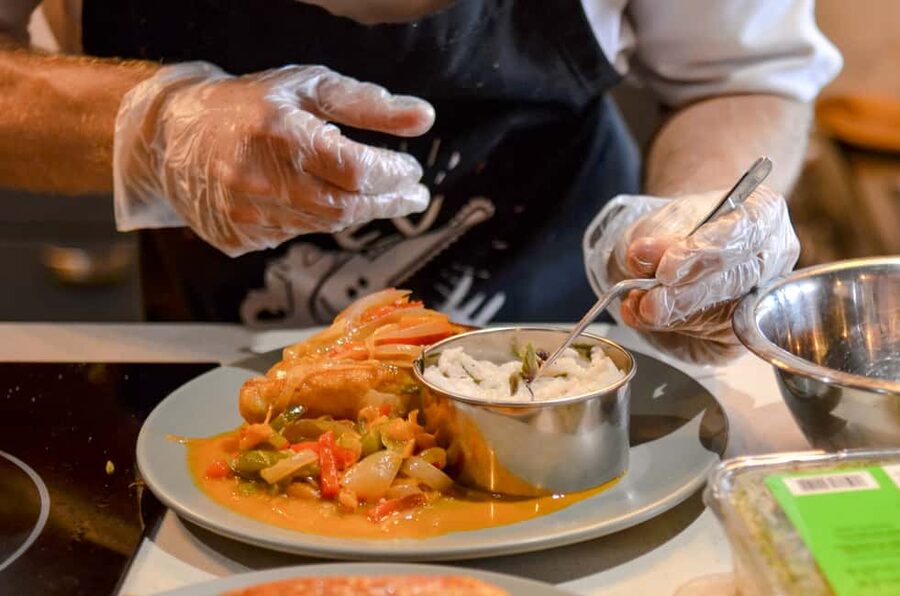
Chillo al coco is the star here, and it is more than a catchy name. You will be making a Dominican-style fish dish where red snapper gets cleaned, seasoned, and simmered in a coconut-based sauce. The lesson angle is the “why” behind the technique, especially the Taino-inspired approach to cooking with local ingredients and practical methods.
You are not just watching someone else cook. The structure is built around doing, so you learn by touching the ingredients, preparing the fish, and building the sauce. That matters because a cooking class can feel like a performance, or it can feel like you are gaining repeatable skills. Here, the emphasis is on the second option.
And because the dish is paired with cassava, plantain, and rice, you learn how the plate works as a whole. This is the kind of meal that explains the logic of Dominican comfort food, not just its flavor.
Getting from Punta Cana to La Altagracia: pickup that actually respects time
Your day starts with hotel pickup and drop-off by air-conditioned minivan. The provider includes local taxes in the price, which usually means fewer surprises on site.
Two practical notes I like:
- You need to wait in the hotel lobby about 10 minutes before pickup time.
- The driver waits no longer than 5 minutes after the scheduled pickup time.
So set an alarm and be ready. Punta Cana hotels can be large, and you do not want to spend your “class day” searching for the meeting point.
Free transport is included only in the Bavaro and Punta Cana area. If you are staying in Uvero Alto, there’s an extra charge for transport. If you are unsure which zone you are in, confirm before you book, so you are not negotiating later.
Inside the kitchen: from seasoned red snapper to coconut sauce
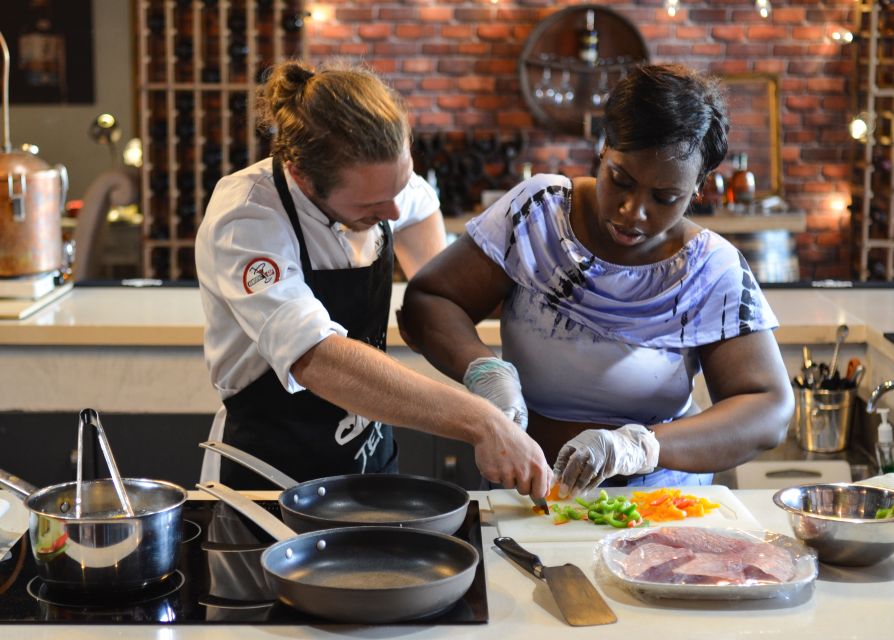
The class revolves around one core dish, but the steps are what make it educational. You start with the fish, including cleaning and seasoning with aromatic herbs and spices. The goal is to get the snapper flavorful before the sauce ever touches it.
Then you move to the coconut sauce, which is where you learn a key technique. Using freshly grated coconut, you extract the milk to create a creamy base. That part is not just “making it taste good.” It explains the difference between store-bought coconut milk and a fresh approach, including the texture and richness you get when you start with the actual coconut.
Next comes the flavor building:
- peppers
- onions
- garlic
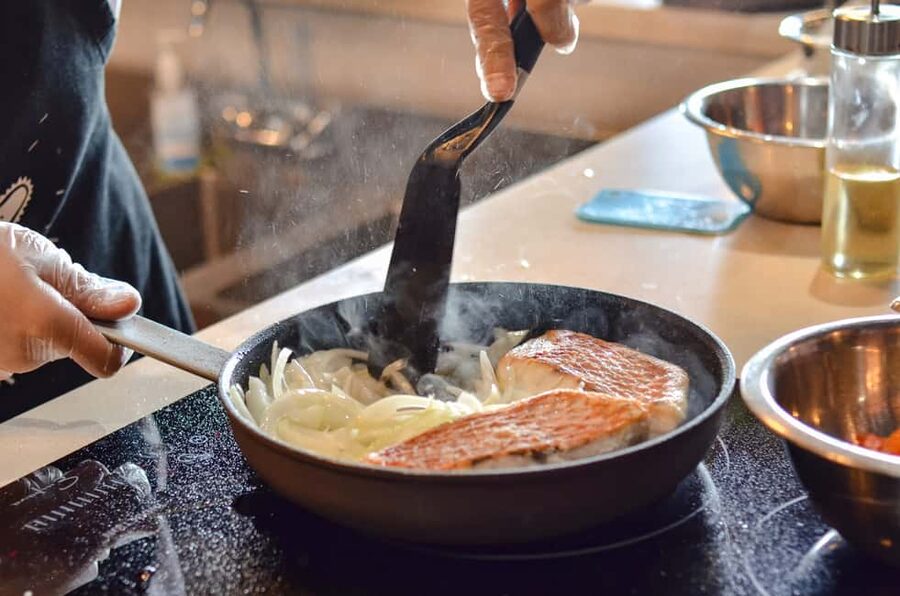
You add them to give the sauce heat and depth, so the coconut does not taste flat. Then the fish goes into the sauce and simmers until fully cooked, so the flavors meld instead of sitting side-by-side.
This is a good class for beginners because it gives you a clear rhythm. It is also a good class for cooks because the steps are specific enough to translate later into your own kitchen.
Why the side trio matters: cassava, plantain, and rice
A lot of cooking classes give you a main dish and call it dinner. Here, you get a full plate, and that teaches you the rhythm of Dominican meals.
You will pair chillo al coco with:
- cassava
- plantain
- rice
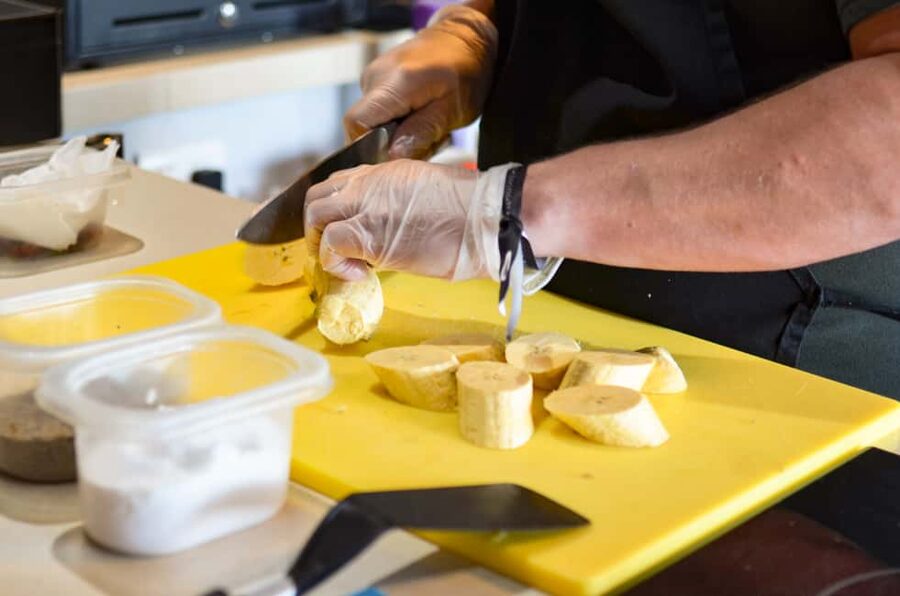
Even if you already love Dominican food, the value is in the learning angle. Cassava and plantain add different textures and sweetness, while rice helps balance the richness of the coconut sauce. Together, they turn your dish into a meal you can serve, not just a recipe you cooked once.
If you are watching your portion expectations, plan for a satisfying lunch or dinner style meal. This is a “cook and eat what you make” setup, not a tasting-only experience.



The class feel: small group, language support, and real personalities
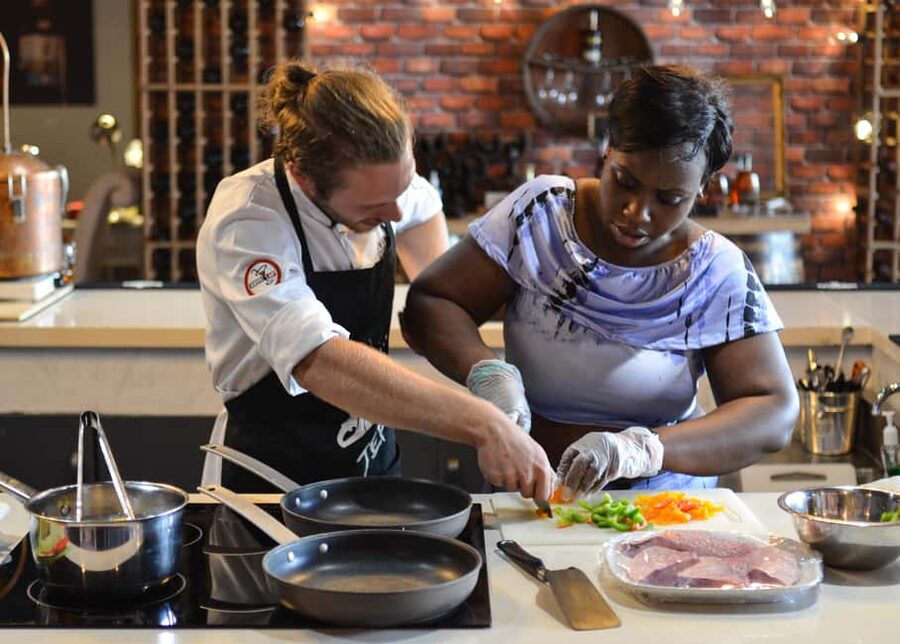
This is a small group format, limited to 10 participants. That is a big deal. In a larger class, you end up waiting for your turn. Here, you are more likely to actively handle ingredients and get closer to what the instructor is doing.
You can also expect instruction in English and French, which helps if you are traveling with someone who needs flexibility. If you have basic cooking experience, you will probably pick up the techniques faster. If you do not, the step-by-step nature still makes sense.
From the feedback you can see a pattern: instructors like Randy, Ruth, and Roody are often described as patient and fun, with a welcoming reception and good communication. That kind of energy matters in a kitchen setting. If you feel comfortable, you learn more, and your dish actually improves instead of turning into a stress project.
Also worth noting: the experience is wheelchair accessible, which is a genuine plus if you need that information in advance.
Price and value: what $98 includes and what to budget
At $98 per person, the price is not just paying for food. You are paying for a one-day cooking lesson with a specific dish, guided technique, and included transportation.
What’s included:
- transport by air-conditioned minivan
- hotel pickup and drop-off
- local taxes
What is not included:
- drinks and beverages
So if you want sodas, water upgrades, or anything else beyond the provided setup, you will want to budget separately. The good part is that the main costs are already handled, so you can focus on the class without worrying about extra fees.
Is it good value? For me, it is when you want hands-on cooking plus a full meal, not a quick demo. Small-group cooking classes can easily become expensive if they feel rushed or crowded. Here, the limit of 10 participants is what helps justify the cost.
When things go off script: long days, power outages, and payment hiccups
Reality check: kitchens and group schedules do not always behave like clockwork.
There’s at least one instance where the class ran about two hours longer than scheduled, including visiting a shop on the way. If you have a tight evening plan after pickup or you need to catch a specific transfer, leave breathing room. I would not schedule a close-by dinner reservation with zero wiggle time.
There’s also been a case where a power outage interrupted the course. In that situation, the response was handled professionally, with attempts to find an alternate date and a refund when an alternate was not possible due to departure timing. That matters because it shows how they manage disruptions instead of just fading into the background.
One more practical consideration from the payment side: there was a report of a duplicate deduction where the funds were not returned to the guest. I cannot promise anything about refunds from the outside, but if you ever see an unexpected duplicate charge, act quickly and contact the provider or booking channel with documentation.
Who this chillo al coco class fits best
This class is a strong pick if you want:
- Dominican cuisine that you can cook at home afterward
- a lesson that focuses on technique, not just tasting
- a small group environment where you can actually participate
- a meal with meaningful sides, not a “single bite” experience
It also works for families, since it is designed to be suitable for participants of all ages. If you are traveling with kids, the hands-on nature can be a win, as long as you keep expectations realistic about pacing in a real kitchen.
If you are the type of traveler who hates any chance of schedule drift, consider planning your day with extra buffer. The class has run longer for some groups, and the day can be disrupted by venue issues like power.
Should you book this cooking class?
I would book it if you want a practical, flavorful experience built around a single iconic dish, and if you like learning with your hands. The coconut sauce technique and the full plate pairing with cassava, plantain, and rice are the kind of details you can actually recreate later.
Skip or rethink if you have a very fixed schedule with no margin, or if you only want a quick stop and do not care about cooking process. Also, if you are not in the Bavaro or Punta Cana area, double-check transport costs upfront, since Uvero Alto can come with an extra charge.
If you want a Dominican day that feels both hands-on and culturally grounded, Chillo al Coco is a good way to use your time in the region.
FAQ
What dish will I cook in the class?
You will make chillo al coco, using red snapper with a coconut sauce, plus a complete meal pairing with cassava, plantain, and rice.
Is hotel pickup included?
Yes. Hotel pickup and drop-off are included by air-conditioned minivan. Free transport is included only in the Bavaro and Punta Cana area, and Uvero Alto has an extra charge.
How big is the group?
The group is small, limited to 10 participants.
What languages will the instructor speak?
The instructor speaks English and French.
Are drinks included?
No. Drinks and beverages are not included.
Can I cancel, and how does payment work?
Cancellation is free up to 24 hours in advance for a full refund. You can also reserve now and pay later, depending on availability.
More Shopping Tours in Punta Cana
- 101 Oliver Rum Tasting & Pairing And Taino Concept Store
★ 5.0 · 244 reviews - Punta Cana Oliver & Oliver Rum Tasting & Taino Concept Store
★ 4.6 · 146 reviews - Punta Cana: Shopping Tour with Hotel Pickup and Drop-Off
★ 3.7 · 54 reviews - Shopping Tour In Don Lucas Cigar Factory, Rum tasting, Cocoa factory, Souvenirs
★ 4.0 · 51 reviews - Shopping tour Punta Cana rum cigars coffee larimar chocolate souvenirs mamajuan
★ 4.0 · 44 reviews
More Tour Reviews in Punta Cana
- Private Airport Punta Cana to La Romana Bayahibe or Casa de Campo Resort Area
★ 5.0 · 6,662 reviews - Punta Cana Zipline Adventure with Buggies and Horseback Riding
★ 5.0 · 5,001 reviews - Full-Day Santo Domingo City Tour from Punta Cana
★ 4.5 · 4,500 reviews - Punta Cana: Catamaran Boat to Saona Island with Buffet Lunch
★ 4.4 · 3,822 reviews - Punta Cana Dune Buggy Adventure and Amazing Water Cave
★ 4.5 · 3,411 reviews
Keep the Caribbean days coming


Workshops, side by side.
 ★ 4.5Group Surf Lessons Punta Cana – Fun, Easy & Beginner-FriendlyFrom $115121 reviews
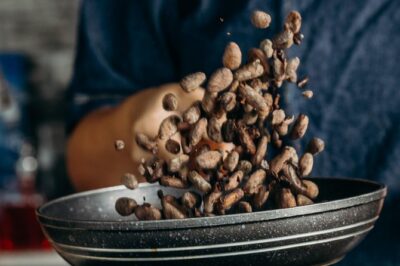 ★ 5.0Chocolate Master Class & Taino Concept StoreFrom $5743 reviews
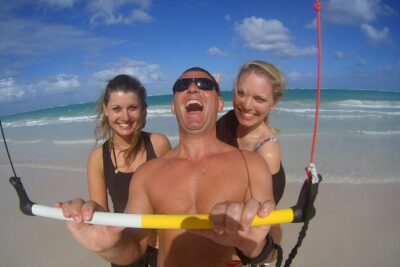 ★ 5.0Kiteboarding Lessons in Punta CanaFrom $21532 reviews
 ★ 4.0Saona Island VIP 4 first-class beach and sunsetFrom $12530 reviews
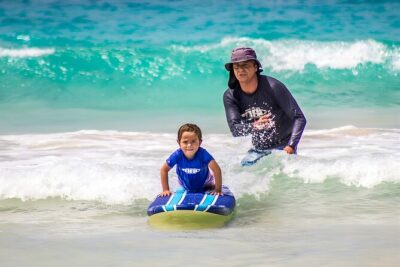 ★ 5.0Private Surf Lesson Punta Cana – 1-on-1 Coaching for All LevelsFrom $14027 reviews
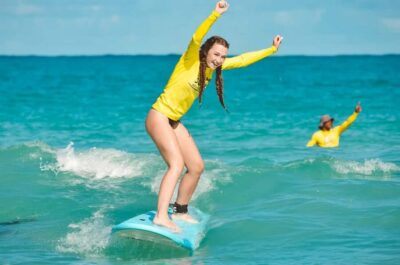 ★ 4.6One-on-One Surf Lesson on Macao BeachFrom $11526 reviews
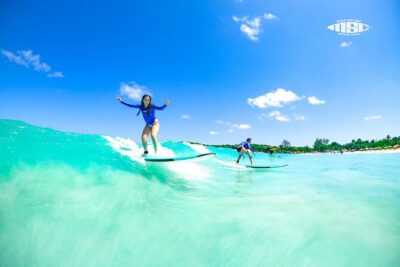 ★ 5.0Full-Day Surf Camp in Punta Cana –Lessons, Beach Time & AdventureFrom $20012 reviews
★ 4.6Chocolate Master Class & Taino concept StoreFrom $5712 reviews
★ 5.0Full-Day Surf Camp in Punta Cana –Lessons, Beach Time & AdventureFrom $20012 reviews
★ 4.6Chocolate Master Class & Taino concept StoreFrom $5712 reviews
Other lists for this tour