
REVIEW · LOS HAITISES NATURE DAYS
Punta Cana: Haitises, Cano Hondo, Redonda Mountain Day Trip
Mangroves, caves, and a big mountain horizon. This Punta Cana day trip strings together Los Haitises National Park by boat and on foot, plus a late climb to Montaña Redonda for ocean views. You’ll spend the morning in Caño Hondo’s mangroves, then work your way through karst hills, caverns, and wildlife-rich stops.
I really like two parts: the wildlife-and-nature focus with time for flora and fauna, and the lunch stop at Hotel Paraíso Caño Hondo where you can swim in river-fed pools.
One thing to consider is that it is an 11-hour, remote-area day with a lot of moving around. If you want a short, lazy excursion, this won’t match that mood.
Key highlights worth planning around
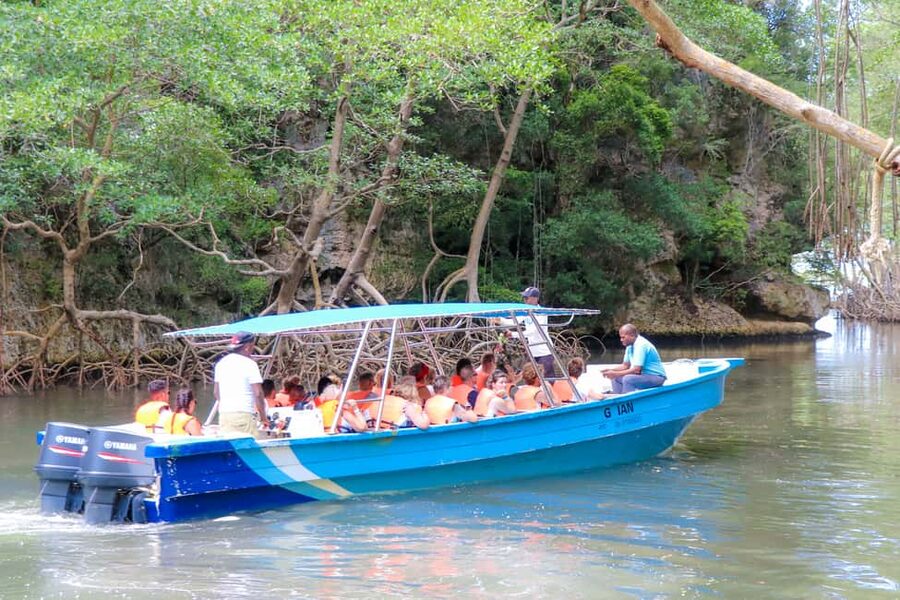
- Caño Hondo mangroves by boat, including time on the water where wildlife shows up naturally
- Los Haitises karst terrain, with mogotes, sinkholes, caverns, and plenty of bird watching
- Taino cave art, including petroglyphs and wall carvings, plus bats in and around the caves
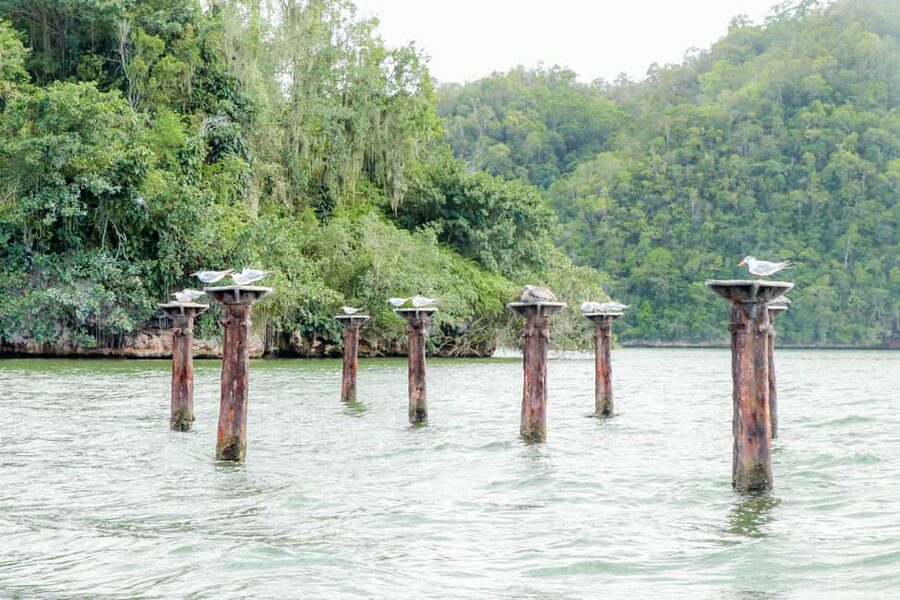
- San Lorenzo Bay and Cayo de los Pájaros, with chances to spot low-flying birds and coastal scenery
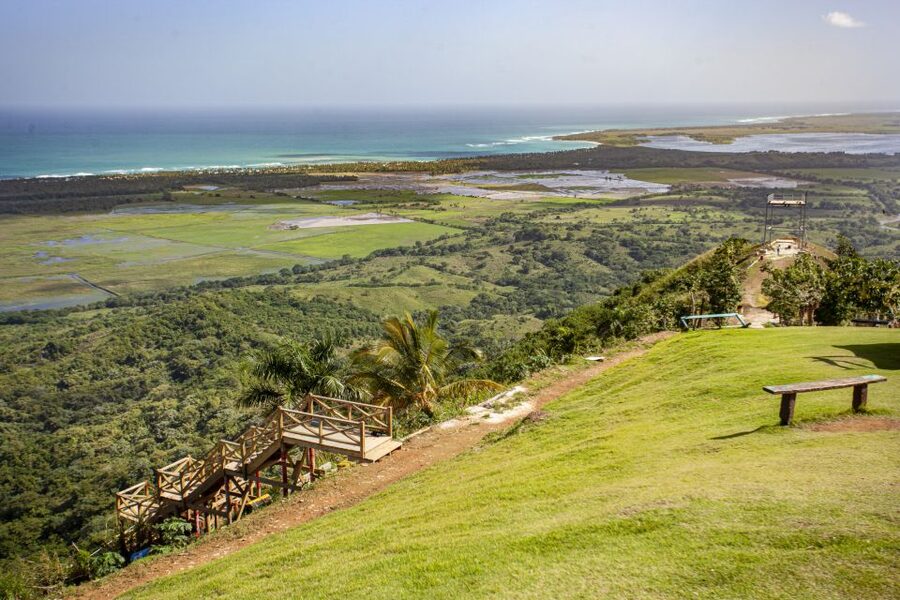
- Montaña Redonda viewpoint, reached by bus then safari truck, with wide Atlantic and Samana views
- Lunch and a swim included at Hotel Paraíso Caño Hondo, an eco-conscious stop at the mountain’s base
Los Haitises, not the usual Punta Cana “resort bubble”
If you’ve been craving something that feels more like nature travel and less like a checklist tour, this day trip makes sense. Los Haitises National Park is different from the beach-and-shops loop. Here you’re moving through a real ecosystem: mangroves, limestone karst hills, caves, and bays where birds are part of the scenery, not an occasional add-on.
I like how the trip keeps the day centered on what you’re seeing. The guide talks flora and fauna, not just facts you’ll forget on the bus ride back. In one guide style callout, Miguel was praised for staying direct and focused, and that matches what you want in a place like this.
The downside? You’re committing to a long day. You’ll travel to the remote north-east, then spend hours switching between boat, walking, and different vehicles. Bring the right attitude: you’re here for movement and views, not a quick photo stop.
Caño Hondo boat ride: mangroves, animals, and real quiet time
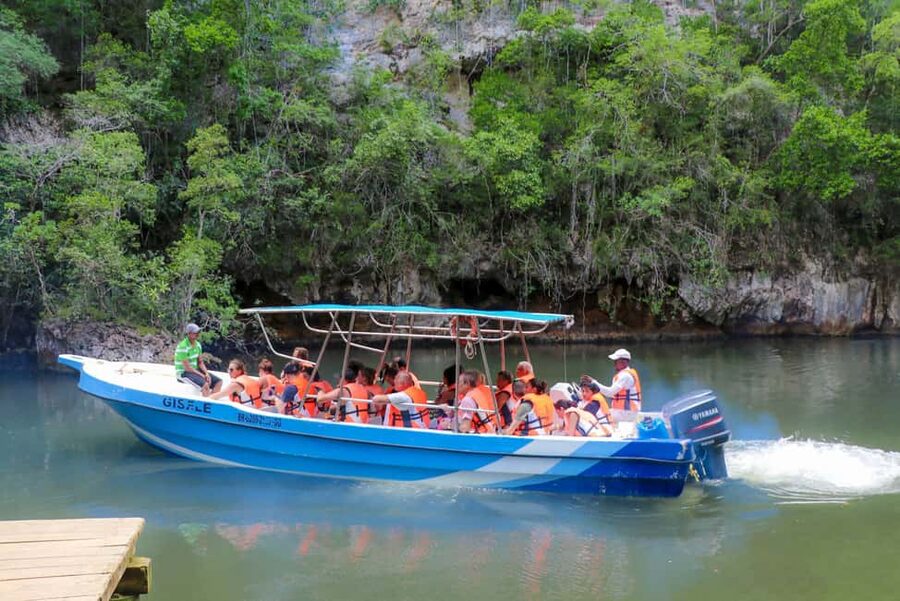
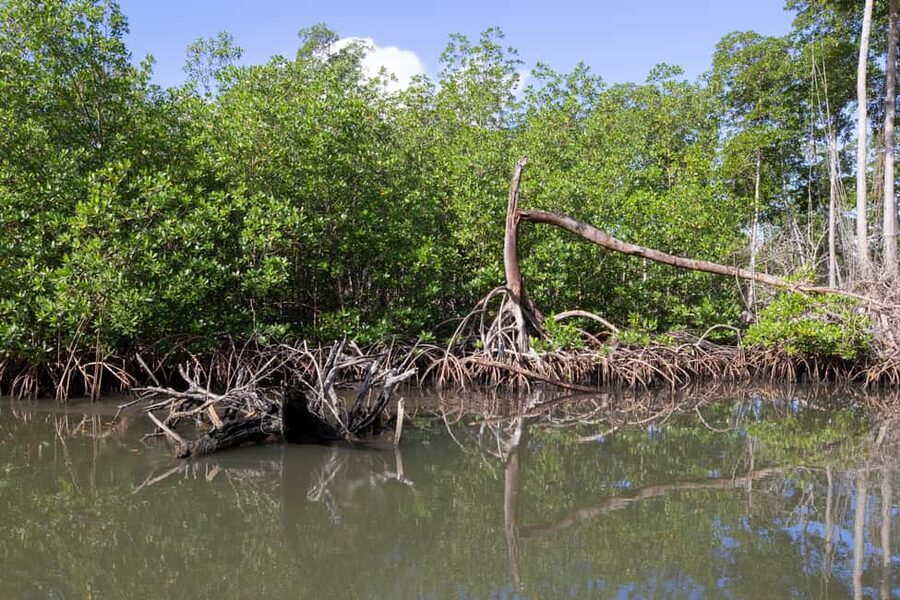
Most of your morning starts with water travel along Caño Hondo, a stream that cuts across what’s described as the largest mangrove in the Caribbean. This matters because mangroves aren’t just scenic. They’re working habitat. You’ll be on the boat long enough to notice the way the shoreline life changes in seconds, depending on light, wind, and bird activity.
What makes Caño Hondo special is that it sets the tone for the day. Instead of rushing straight into a hike, you ease into the park with a slower pace. And because you’re surrounded by mangrove edges, you’re more likely to spot wildlife along the banks than you would from a distant overlook.
You’ll also get a sense of how the park connects by water. The tour description points to wildlife living around the impeccable river water and lush plant life, and you can see the logic once you’re out there. It’s a living system, not isolated “views.”
Practical tip: the boat part is one of the times you’ll want your camera ready. If you’re going with swimwear, you’ll likely end up using it later, but having a towel and comfortable clothes for the boat ride will make the day easier.
Walking Los Haitises: karst hills, caverns, and that Taino trail
After the boat, the route shifts to on-foot exploring through Los Haitises. This is where the park earns its reputation. You’re walking a limestone karst plateau with conical hills, sinkholes, and caverns. In plain terms, the ground looks like it was carved by time and water, then left for birds and plants to turn into a habitat.
You’ll stop at mogotes and atolls scattered along the coastal edge around the park. These aren’t just pretty points on a map. They help break up your hike into segments that feel different, so you’re not walking endlessly on the same path. It also means you’ll see the terrain change from limestone formations to coastal viewpoints.
The guide focus is a big part of why this works. You’ll learn about cupey trees and the birds that fill their horizontal branches. You’ll also hear about wild banyan trees and tropical almond trees. If you’ve ever felt frustrated on nature tours because you can’t tell one tree from another, this tour is designed to give you names and context while you’re still standing in the shade.
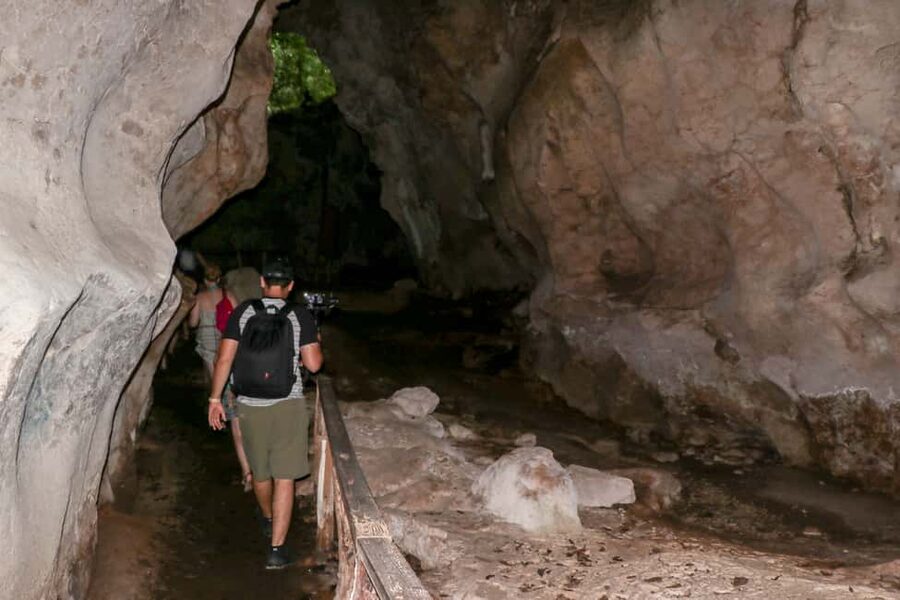
Then comes the cave portion. You’ll visit two caverns that have petroglyphs and wall carvings left by the Tainos who lived there long ago. It’s not just a quick look. The caves are part of the experience, with cave conditions that also bring bats and other nocturnal birds into your awareness. Even if you don’t see everything, the guide will frame what to look for.
Practical tip: comfortable shoes are not optional here. The ground in karst areas can be uneven. Give yourself real grip and ankle comfort.
San Lorenzo Bay and Cayo de los Pájaros: birds plus coastal vibes
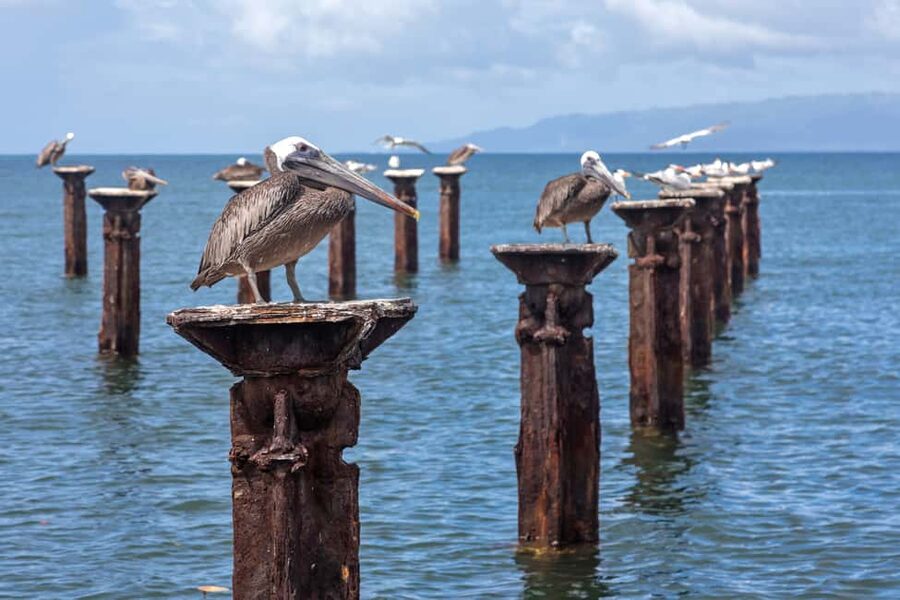
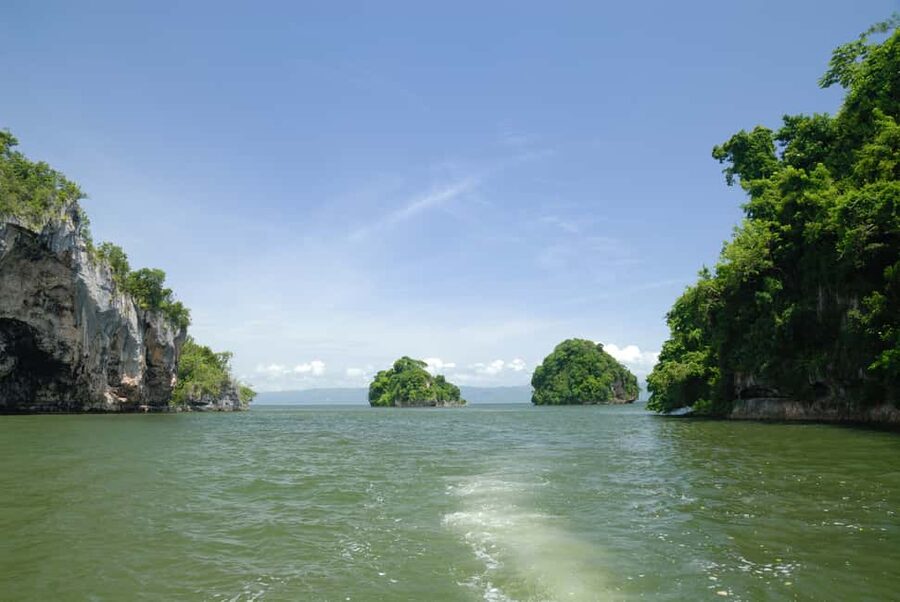
Los Haitises has a coastal rhythm, and two stops help you feel it. One is San Lorenzo Bay, tied to islets and mangrove forests. The other is Cayo de los Pájaros, described as a spot between Boca del Infierno and El Naranjo Arriba, where you can look for low-flying birds.
This section is valuable because it gives your eyes something to do besides stare at rock. You’re moving between habitats, and each one comes with its own bird energy. The tour approach is to identify native birds along the way, so you’re not only sightseeing. You’re learning what’s actually living here.
One note on expectations: bird spotting is never guaranteed in any park. But the route is chosen specifically to put you in the right places for observation, especially where water meets mangroves and where open coastal areas create bird movement patterns.
If you’re a bird person, you’ll probably love this. If you’re not, you might still enjoy it because the guide’s explanations make the bird activity feel less random.
Hotel Paraíso Caño Hondo: lunch and a swim with river-fed water
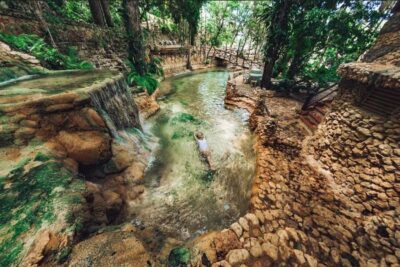
After all that walking and cave time, you reach Hotel Paraíso Caño Hondo for lunch. This stop is more than a meal break. It’s an eco-conscious setting at the foot of the mountain, and it has the kind of practical comfort you need halfway through a long day.
The lunch is a buffet, plus non-alcoholic drinks. Reviews linked to this trip highlighted the lunch quality as a strong point, and that matters because you don’t want a weak meal after hours of activity.
What you can also do here is swim. The pools are irrigated with crystal-clear water from a river that begins in the heart of the park. That detail changes the meaning of a simple pool break. It’s not just a place to cool off. It’s still connected to the park’s water system.
A realistic expectation: you’re likely to arrive warm, dusty, and sun-stimulated. The swim can feel like a reset button.
Practical tip: pack a towel and swimwear even if you think you might skip it. When you have access to a real swim stop, you’ll feel smarter for bringing the basics.
Montaña Redonda: safari truck climb and Atlantic Ocean viewpoints
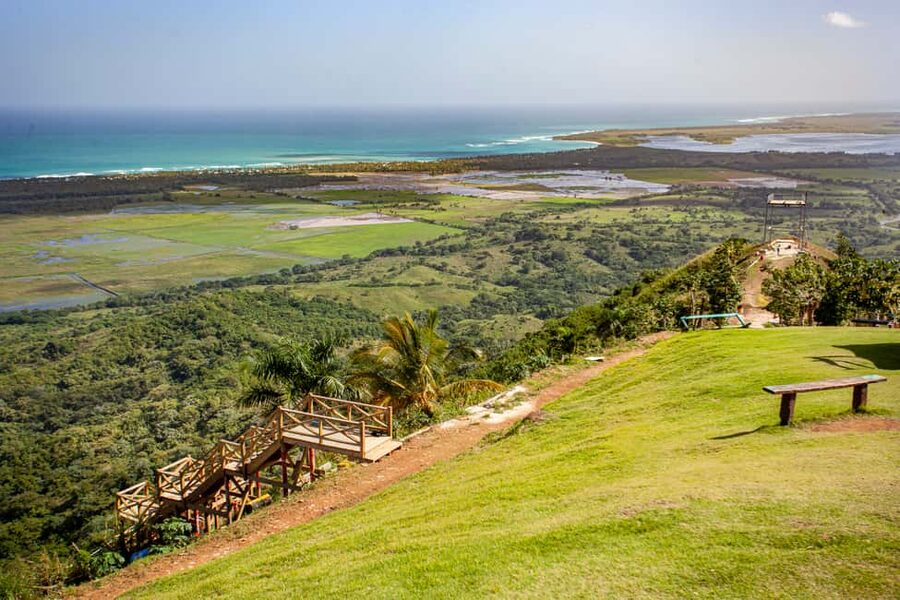
By the time you reach Montaña Redonda, the day starts moving toward its big payoff. First there’s bus transport to the mountain area. Then you switch to a safari truck to reach the top. That change in vehicle style is small, but it helps with the feel of the day, because you’re switching from park hiking to an actual climb toward wide open views.
At the summit, you’re looking for the best view area described as a special location between Laguna Limón and Laguna Redonda. From there, the perspective is the point. You can see as far as the Bay of Samana, the Cordillera Oriental, and the Atlantic Ocean.
This viewpoint is worth it because it closes the loop of the morning. You started inside mangroves and caves. Now you see how the terrain spreads out into bays, mountain ranges, and open sea. It’s a different scale, and it makes the whole day feel like a single story.
Practical tip: bring your camera out late. Sunrise and sunset are not mentioned here, so plan on daylight viewing. Still, views from a mountain peak tend to be best when you have clear sightlines, so staying patient for a moment when the air looks sharp is smart.
Price and value: what $139 buys you in the real world
At $139 per person for an 11-hour day, the value is in the package. This is not just admission to a park. You’re paying for:
- Hotel pickup and drop-off
- Transportation between sites (boat time, walking segments, plus bus and safari truck)
- A guide who explains flora, fauna, and what you’re seeing in the caves
- Buffet lunch and non-alcoholic drinks
When you add up how far you’re traveling across the north-east and how much coordination it takes to move from Caño Hondo to Los Haitises paths to Montaña Redonda, the price starts to look reasonable, especially if you’d otherwise need separate transport and separate guides.
I’d also call out the balance in the day. It isn’t only boat. It isn’t only walking. It isn’t only a viewpoint. You get a sequence: water, habitat walking, caves, a real meal break, then a big mountain payoff. That structure is part of the value.
Where value can drop: if you don’t handle long travel days well, the time commitment can outweigh the benefits. But if you like guided nature travel and you’re okay with an active schedule, it’s a strong deal for the included services.
Who should book this, and who should sit this one out
This tour fits best if you want an outdoors day that still feels organized. The reviews track strongly toward organization, a good schedule, and a nature-first focus with minimal hard selling. If you like the idea of learning what you’re looking at while you’re looking at it, you’ll probably enjoy it.
It also suits you if you want variety: boat on a mangrove stream, walking through karst terrain, caves with Taino petroglyphs, bird-focused coastal stops, and a mountain viewpoint.
It is not suitable for pregnant women, people with mobility impairments, or wheelchair users. That’s important, because the day includes walking in natural terrain and cave visits, plus multiple vehicle transfers.
If you’re the type who gets frustrated by long days, plan to take it slowly at the lunch and pool stop. The pacing is built to keep the energy up while still giving you breaks.
What to bring so you feel comfortable the whole day
The tour lists a straightforward packing list, and I agree with it:
- Comfortable shoes for walking
- Swimwear and a towel for the pool time
- Camera for birds, mangroves, and cave art
- Comfortable clothes for warm outdoor time
- Passport or ID card, with a copy accepted
Also, I’d bring sunscreen and a hat if you use them, but stick to your own routine. The day involves outdoors time, then caves, then a mountain peak, so having basic sun protection helps.
Should you book this Haitises, Cano Hondo, Redonda day trip?
I’d book it if your ideal Dominican Republic day looks like nature travel with a guide, not another beach shuffle. The strongest reasons to choose it are the Caño Hondo mangrove boat, the Los Haitises walking route with caves and Taino petroglyphs, and the closing payoff at Montaña Redonda with Atlantic and Samana views. Add in the included lunch and swim, and you get a full, satisfying day.
I wouldn’t book it if you need a short outing, you can’t manage uneven terrain and cave stops, or you need accessibility support. The day is long and active by design.
If you’re excited by birds, karst caves, and wide-open viewpoints, this is one of the more nature-focused options you can choose from Punta Cana.
FAQ
How long is the Punta Cana Haitises, Cano Hondo, Redonda Mountain day trip?
The tour duration is 11 hours.
How much does it cost, and what’s included in the price?
It costs $139 per person. Included are hotel pickup and drop-off, transportation between sites, a guide, buffet lunch, and non-alcoholic drinks.
What languages is the live tour guide available in?
The live tour guide is available in English, German, French, and Spanish.
What should I bring for the tour?
You should bring comfortable shoes, swimwear, a towel, a camera, comfortable clothes, and a passport or ID card (a copy is accepted).
Is the tour suitable for everyone?
No. It is not suitable for pregnant women, people with mobility impairments, or wheelchair users.
What is the cancellation policy?
You can cancel up to 24 hours in advance for a full refund.
Los Haitises Nature Days, side by side.
 ★ 4.63-in-1 Adventure Haitises Park Waterfall MontañaFrom $149426 reviews
 ★ 4.5Punta Cana 3in1 Adventure: Los Haitises Park, Waterfall & MontañaFrom $139303 reviews
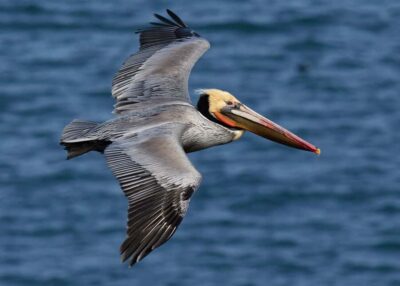 ★ 4.5From Punta Cana: Los Haitises Trip with Montaña Redonda TourFrom $12984 reviews
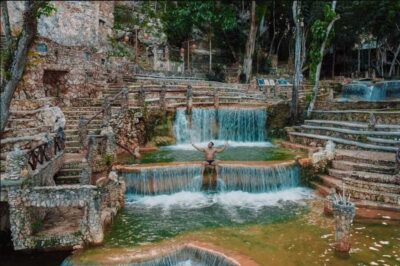 ★ 4.5From Punta Cana: Los Haitises Guided Day TourFrom $12555 reviews
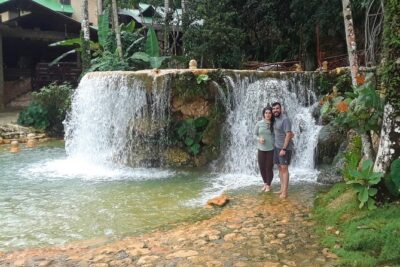 ★ 4.5Haitises National Park with Paraiso Caño Hondo & Montaña RedondaFrom $15536 reviews
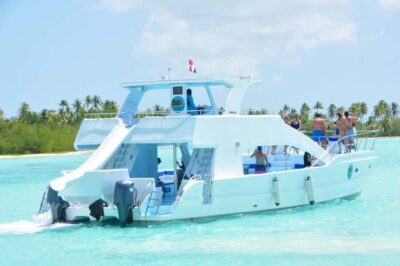 ★ 4.4Los Haitises National Park Full-Day TourFrom $12929 reviews
 ★ 4.54in1: Los Haitises+ Kayaking+ Natural Pools+ Montana RedondaFrom $14527 reviews
 ★ 4.2Los Haitises Hike & Kayaking MangrovesFrom $13523 reviews
Other lists for this tour