
REVIEW · ZIPLINE & JUNGLE PARK ADVENTURES
Zip Line – Half Day Adventure
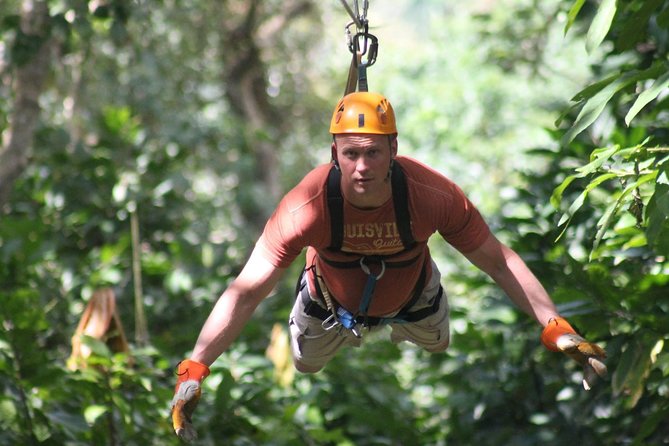
One ride, then another, then a splash in water. This half-day zipline near Punta Cana takes you through a rainforest circuit with professional guides, safety briefings, and ziplining that finishes with the Cable Mega Splash water landing.
You’ll love how the crew handles the setup, from helmets and harness fit to getting you onto the line with confidence. You’ll also like the group format, capped at 20 travelers, which keeps the energy friendly without feeling chaotic.
One main consideration: this is a moderate physical activity, with lots of climbing and stairs as part of the course, so you’ll want to feel comfortable with that upfront.
Key Things I’d Zoom In On Before You Go
- Dual line safety and lifeline tethering keep you secured from the first platform until the last line
- Cable Mega Splash water landing adds a memorable finish, not just more flying
- Max 20 travelers means less waiting and more personal attention from guides
- Helmet and harness setup is part of the experience, with staff helping you get ready
- Stairs and climbing are real even for a half-day, so bring your best attitude (and knees)
More cables, canopy and jungle-park combinations
- Punta Cana Zipline Adventure with Buggies and Horseback Riding★ 5.0 · 5,001 reviews
- 5 tours in 1 (Eco Farm/Horseback/City Tour/Buggy/Zipline)★ 4.5 · 1,443 reviews
- Jungle Buggies + Ziplines Adventures★ 5.0 · 1,352 reviews
- 7 Tours Punta Cana: Zipline, Chairlift, ATV, Ride Horses, & More!★ 4.5 · 1,172 reviews
Where This Punta Cana Zipline Fits In
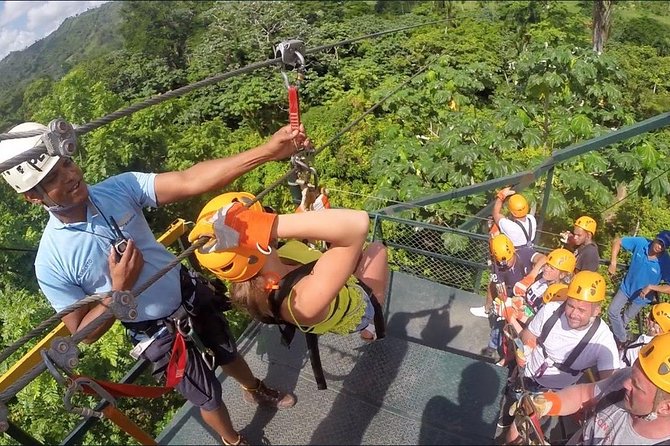
If you’re in Punta Cana and you want an active day that feels genuinely outdoors, this half-day zipline is built for that exact mood. You’re not just “doing one quick zip,” either. The course is described as having a set of long lines (up to 12 ziplines overall), with your half-day circuit focusing on a run that includes multiple lines plus a Himalaya bridge and the Cable Mega Splash water landing.
The big idea here is straightforward: you get guided time in the rainforest canopy with structured safety. You also get a group experience that’s more social than solo, because you’re out there together on platforms and lines, and the staff does the heavy lifting for gear and instructions.
It’s also the kind of tour where the details matter. Safety systems, equipment checks, and how they manage your attachment are not “fine print” for this one. They’re the whole point.
The Safety System You Should Actually Care About
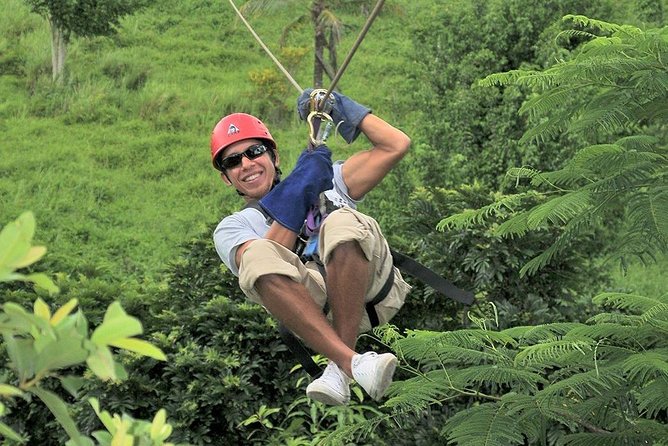
Ziplining is thrilling. It’s also gear and process. What I appreciate in the way this operation is described is that you’re not just handed equipment and sent on your way. You get safety briefings, staff helps with harness and helmet setup, and there are procedures around how the system works during the ride.
Here are the safety elements that stand out:
- You’re equipped with harnesses and helmets (listed with Petzel/Petzl), and you use a fixed line system associated with Continuous our Life brand.
- The operation emphasizes dual line cables in addition to a lifeline. In plain terms, that means more than one layer of protection, not just one cable.
- You’re attached to a lifeline when you enter the first platform area, and you are only released upon arrival to the last line of the circuit.
- For vertical promotions, you’re attached to an automatic anti drop mechanism designed to protect you in case of an involuntary descent.
- They describe daily checks of equipment and infrastructure based on manufacturer operation manuals, and they highlight trained, experienced staff plus ongoing instruction.
That’s what you want to hear for a rainforest zipline. You want to know there’s a system, not just bravado.
One more detail I like: this tour says your guides are trained and experienced, and that their instructions are part of the safety commitment. In practice, that usually means you can slow down during the briefing, ask questions, and feel like you’re not guessing.
Pickup in Punta Cana, and How the Half-Day Tempo Works
This is a roughly four-hour experience, and pickup is offered. The key practical point is that many hotels are on the pickup list, so you should check whether yours is included. Since it’s a group tour, you also should assume you’ll be waiting a little for others to be collected.
Here’s how I’d plan around the timing:
- Treat the tour start as a “you’ll be ready soon after pickup arrives” situation, not a precise clock moment.
- If you’re staying outside the most central areas, your pickup might take a bit more time, so give yourself buffer room the rest of the day.
Also, you’ll receive a mobile ticket. That’s good for convenience, but it also means you should make sure your phone battery is healthy and your ticket is easy to access offline if possible.
For many people, the pickup is what makes this tour feel like value. You’re paying for the experience and the logistics support, not just for ziplining itself.
What the Circuit Actually Includes
The tour is described in two ways, and I think the best way to understand it is this: the overall operation is billed with lots of flying (up to 12 ziplines), while your half-day circuit specifically focuses on a set that includes 6 lines, plus a Himalaya bridge and the Cable Mega Splash water landing.
So your time in the air is likely to feel like a sequence rather than random clips:
- You arrive, get organized, and get briefed.
- You go through equipment setup.
- You move through platforms as part of a circuit that includes lines and one bridge segment.
- You end with Cable Mega Splash, the water landing portion.
Why that matters: the Himalaya bridge is a change of pace. It’s not just “another zip,” it’s a different kind of crossing that adds to the sense of variety. The water landing is the big finale moment, and it’s the reason some people remember this tour long after they forget how many cables they flew.



Before You Fly: Briefing and Getting Your Gear Right
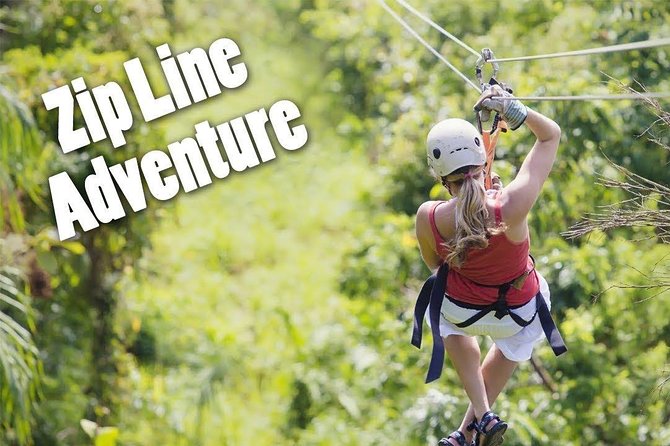
This is one of those tours where your comfort starts before the first launch. You’ll get safety briefings and equipment, and staff helps you make sure you’re set to fly.
Since you’ll be attached to a lifeline and possibly using dual line cables for safety, the fit and procedure really matter. During the briefing, do these things:
- Listen carefully to the rules for when you’re allowed to move, sit, or adjust gear.
- Ask questions if you’re unsure about how to position yourself on the harness.
- If you’re nervous, tell the guide before you reach the platform. This is exactly what the staff is there for.
A nice part of a guided course is that you do not need to be a former rock climber to participate. But you do need to be willing to follow instructions and climb.
On the Lines: What the Flying Feels Like
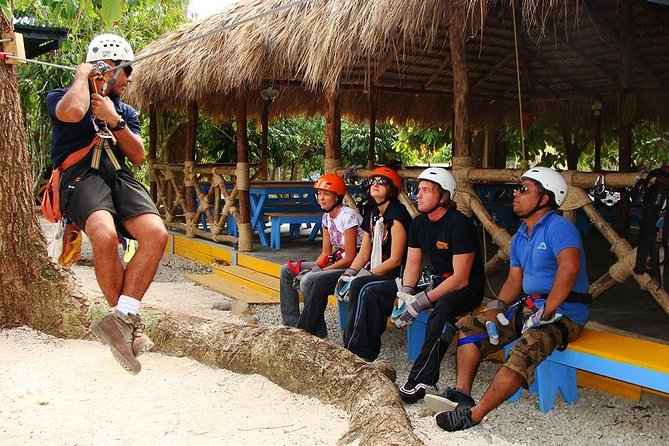
Once you’re ready, you’re launched line to line. The emphasis on professional guides is meaningful because they’re managing a group flow. With up to 20 travelers, you’ll share platforms and time slots with others, so you’re likely to experience a bit of waiting between lines.
The experience is structured, not wild and free. That’s not a complaint. It’s how you keep it safe and how you avoid the chaos that can make adventure activities feel stressful.
You’ll also likely notice how the safety setup changes your mental focus. When you understand you’re tethered with lifeline and dual cable protection, it’s easier to let go and enjoy the views. This is the moment most people come for.
And yes, the longest ziplines on this circuit are meant to make you feel like you’re flying a real distance, not just scooting across a platform.
The Himalaya Bridge Segment
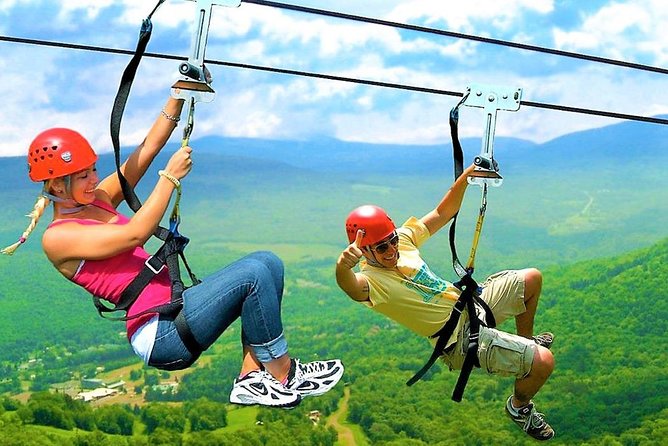
The bridge is one of the most interesting “non-zip” features included in the half-day circuit. A Himalaya bridge typically means a crossing that feels more exposed than a standard platform walkway, which adds tension in a good way. It’s also a way for the course to break up continuous flying, so your body gets a chance to reset.
If you’re the type who feels okay once you’re in motion, you’ll probably enjoy this. If you’re afraid of heights, you should still show up with your expectations clear. You don’t have to love bridges to complete the circuit, but being mentally prepared helps.
Cable Mega Splash: The Water Landing Moment
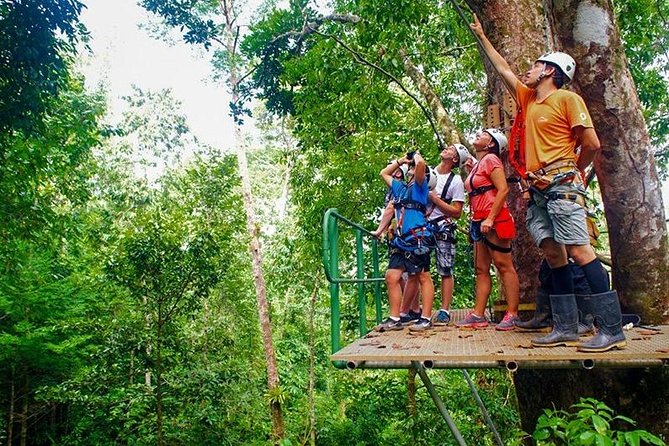
Cable Mega Splash is described as a landing on water. That means the ending is likely to feel like a payoff scene, not just a final cable ride.
What’s valuable about a water landing is the variety. Dry ziplining is fun, but a water finish turns the entire thing into an event you can talk about.
What to do in practical terms:
- Wear swim-friendly clothing or gear you don’t mind getting wet.
- Plan on drying later. Bring a small towel if you have one.
- Expect that this finale may be slightly messier than the earlier lines, since water is part of the design.
The guides are there to keep you safe through that final section, so you can focus on the experience rather than worrying about the mechanics.
Stairs, Stamina, and Getting Through the Course Comfortably
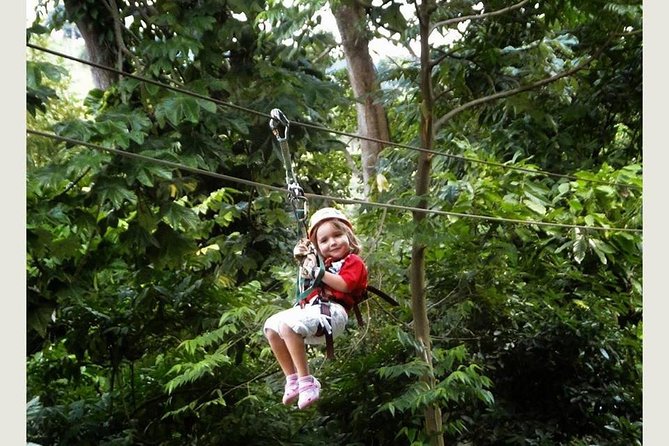
This tour asks for moderate physical fitness. The reason is simple: you’re climbing and moving between platform areas.
One piece of advice stands out from firsthand impressions: plan for a lot of stairs. Even if you’re fit, you’ll feel it by the middle of the circuit. If you’re not used to stairs, start the day with that in mind and pace yourself.
Here’s what I recommend to make the day easier:
- Wear comfortable closed-toe shoes with decent grip.
- Choose clothing that lets you move easily and that you can handle getting wet (especially with the water landing).
- Bring water and take small moments to breathe during platform transitions.
You don’t need to train for weeks, but you do need to show up with realistic expectations about physical movement.
Group Size, Guides, and the Personal Touch
This tour caps at 20 travelers, and that’s a meaningful detail. Small groups usually translate to less time waiting around and more consistent attention from guides during your setup and throughout the circuit.
The guides also seem to be a big part of why people enjoy the experience. In one standout account, Carlos and his team are described as amazing, making guests feel comfortable and confident, with patient support when climbing took longer. That lines up with what you want from a safety-first adventure: calm guidance, clear instruction, and people who stay patient instead of rushing you.
If you happen to get Carlos or similar team members, that kind of personal attention can make the difference between feeling nervous and feeling ready.
Price and Value: Is $80 Worth It?
The price is $80 per person for an about four-hour half-day adventure. For a zipline that includes safety briefings, helmets and harnesses, staff support, a circuit with multiple lines, a Himalaya bridge, and a water landing, that doesn’t feel outrageous.
Here’s how I’d judge the value:
- You’re paying for more than the cable time. You’re paying for gear, guidance, and a safety setup that is clearly more involved than a casual ride.
- You’re paying for time in a structured circuit, not a one-lane stunt.
- You may also get hotel pickup, which reduces hassle and makes the whole day feel smoother.
Where value might feel less good is if your pickup logistics are messy or you end up cutting it close to other plans. That’s why it helps to plan your day with buffer time.
Also, weather matters for outdoor ziplining. If the tour has to adjust, it can affect your schedule, though you’ll be offered options if poor weather cancels it.
Practical Tips That Improve Your Day
To make this feel like a win instead of a chore, keep these tips in your pocket.
Bring the right shoes. Stairs and platform changes are part of the reality here. Good grip helps.
Plan for wet clothes at the end. The Mega Splash water landing means something will get soaked.
Stay flexible with timing. It’s a group tour, so not every moment will be perfectly synchronized to your personal rhythm.
Ask questions during the briefing. If you’re unsure about the safety system or how attachment works, ask right then.
Keep your mobile ticket handy. You’ll want it easy to show at the start.
Who Should Book This Zipline Tour
This is a great fit if you:
- Want a half-day active adventure without turning the whole trip into a full-day marathon
- Prefer guided safety and staff support
- Are okay with stairs and climbing
- Want a memorable finale with a water landing
It’s also a good choice if you like group travel that still feels personal. With up to 20 travelers, you can meet people but still get attention when it counts.
Who Should Think Twice
If you don’t handle heights or bridges well, you might feel uneasy with the Himalaya bridge segment. If you struggle with lots of stairs or moderate physical movement, you might find this tougher than expected.
Also, if you’re the type who needs a very predictable schedule and hates any delay, outdoor activities have natural variability. Weather can play a role, and group tours have their own timing flow.
Should You Book This Half-Day Zipline?
I’d book it if you’re excited by the idea of a guided zipline circuit with a real safety focus and a water landing finish. The dual line tethering, lifeline approach, and automatic anti drop protection are exactly the kind of details that help you enjoy the experience instead of worrying through it.
Don’t book it on a whim if you’re not comfortable with stairs and climbing. Show up with comfortable shoes, plan for wet gear at the end, and keep buffer time for pickup flow.
If you want an authentic Caribbean-style adventure that feels outdoors and event-like, this one fits the bill.
FAQ
How long is the zipline adventure?
It runs for about 4 hours.
How many ziplines are included?
The experience is described as including 12 ziplines in total, while the half-day circuit you do includes 6 lines, plus a Himalaya bridge and the Cable Mega Splash water landing.
Do they offer pickup in Punta Cana?
Pickup is offered, and many hotels are on the pickup list, so you should check whether your hotel is included.
What fitness level do I need, and is gear provided?
You should have a moderate physical fitness level because the course involves climbing and stairs. You’ll be equipped with harnesses and helmets, and guides provide safety briefings and help you get set up.
What happens if the weather is bad?
This activity requires good weather. If it’s canceled due to poor weather, you’ll be offered a different date or a full refund.
Can I cancel for a full refund?
Yes. You can cancel for a full refund up to 24 hours in advance of the experience start time.
More Tour Reviews in Punta Cana
- Private Airport Punta Cana to La Romana Bayahibe or Casa de Campo Resort Area
★ 5.0 · 6,662 reviews - Punta Cana Zipline Adventure with Buggies and Horseback Riding
★ 5.0 · 5,001 reviews - Full-Day Santo Domingo City Tour from Punta Cana
★ 4.5 · 4,500 reviews - Punta Cana: Catamaran Boat to Saona Island with Buffet Lunch
★ 4.4 · 3,822 reviews - Punta Cana Dune Buggy Adventure and Amazing Water Cave
★ 4.5 · 3,411 reviews
Above the Jungle Floor
- Punta Cana Zipline Adventure with Buggies and Horseback Riding
★ 5.0 · 5,001 reviews - 5 tours in 1 (Eco Farm/Horseback/City Tour/Buggy/Zipline)
★ 4.5 · 1,443 reviews - Jungle Buggies + Ziplines Adventures
★ 5.0 · 1,352 reviews - 7 Tours Punta Cana: Zipline, Chairlift, ATV, Ride Horses, & More!
★ 4.5 · 1,172 reviews - Punta Cana: Ziplines Adventures & Monkeyland Entry
★ 4.8 · 351 reviews
Keep the Caribbean days coming




Zipline & Jungle Park Adventures, side by side.
 ★ 5.0Punta Cana Zipline Adventure with Buggies and Horseback RidingFrom $1005,001 reviews
 ★ 4.55 tours in 1 (Eco Farm/Horseback/City Tour/Buggy/Zipline)From $1191,443 reviews
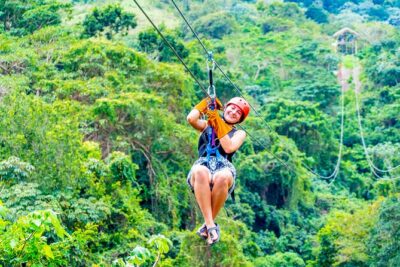 ★ 5.0Jungle Buggies + Ziplines AdventuresFrom $1791,352 reviews
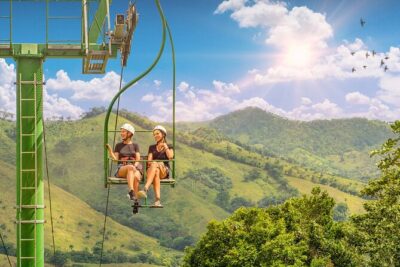 ★ 4.57 Tours Punta Cana: Zipline, Chairlift, ATV, Ride Horses, & More!From $991,172 reviews
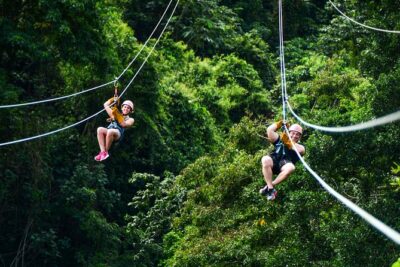 ★ 5.0Dual Zipline Side-by-Side Adventure in Punta CanaFrom $75540 reviews
 ★ 4.8Ziplines Adventures & Monkeyland EntryFrom $130351 reviews
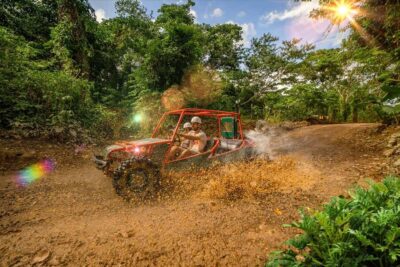 ★ 4.5Zipline, Chairlift, Buggy & Horse Ride AdventureFrom $99289 reviews
 ★ 4.5Zip-Lining 12 CablesFrom $90200 reviews
Other lists for this tour